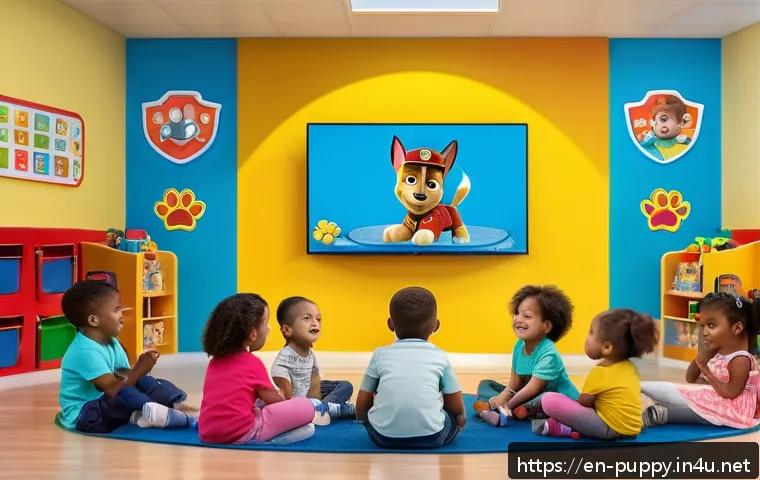
PAW Patrol can help children talk about teamwork, helping others, and taking one calm step at a time when a problem appears. The learning value is usually stronger when an adult watches with the child and turns the story into a short conversation or simple activity.
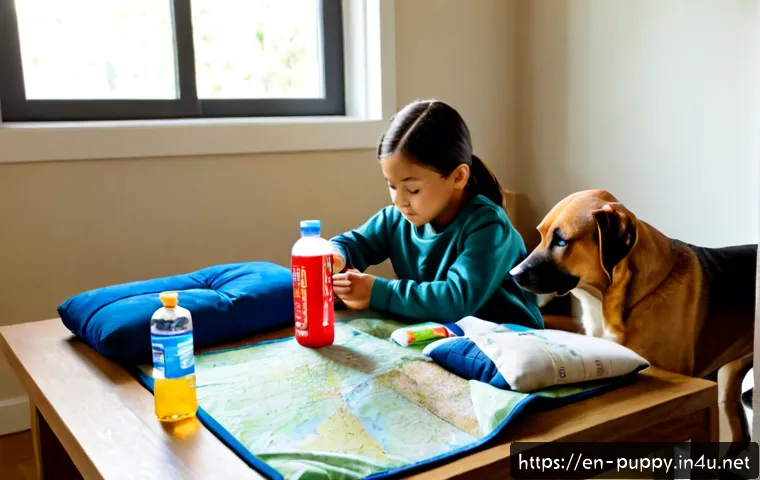
The rescue missions are fictional, but their basic themes can connect to everyday situations at home, school, and play. Families can choose between independent viewing, co-viewing, and offline activities depending on their time, budget, and the support a child needs.
A child-friendly streaming plan or reusable activity book may be useful when it offers suitable controls and encourages discussion rather than simply extending screen time.
Real emergency skills should always come from trusted local guidance and adult supervision.
At a Glance
- Teamwork: The characters solve fictional community problems by sharing roles and working together.
- Everyday problem-solving: Episodes commonly move from a problem to a plan, coordinated action, and a positive resolution.
- Adult guidance matters: A short conversation can help children separate entertainment from real-life safety choices.
| Option | Adult Involvement | Cost Consideration | Learning Value | Best Use |
|---|---|---|---|---|
| Watching alone | Low | May require a streaming subscription | Children can enjoy the story, but reflection is limited | A familiar episode watched within family screen-time boundaries |
| Co-viewing | High | Uses the same viewing access | Supports questions about teamwork, feelings, and choices | Short viewing sessions followed by a simple chat |
| Follow-up activity | Flexible | Printable or reusable activity materials may be an option | Lets children practice ideas away from the screen | Role charts, drawing, pretend play, or a family problem-solving routine |
The Biggest Lessons Behind the Rescue Missions
PAW Patrol is an animated children’s franchise about rescue pups led by Ryder. Its stories often present a fictional community problem and show the team choosing a plan, using different roles, and working toward a positive ending. The most useful lesson is not that one character saves everyone. It is that a group can do more when people notice a problem, ask for help, and contribute a useful skill.
Helping Others Without Needing to Be the Hero Alone
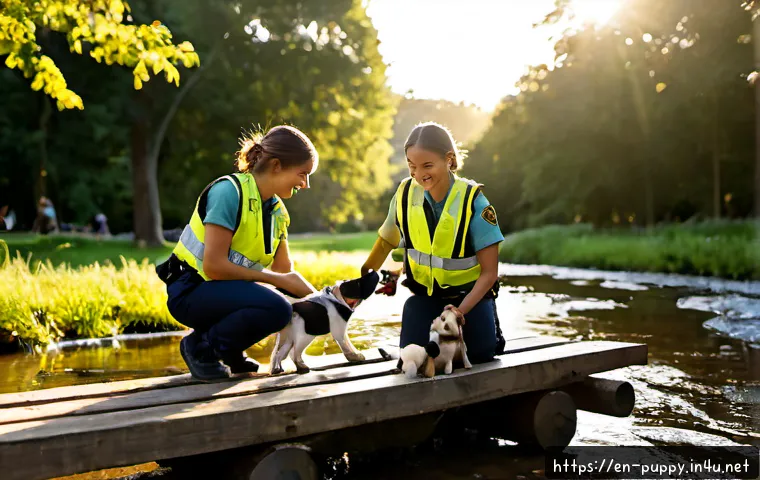
Children may notice that the characters respond when someone in the community needs help. That can lead to a practical family message: helping does not always mean taking charge. A child can help by telling a trusted adult, sharing materials, comforting a friend, or helping clean up after an activity.
Try asking, “What was one helpful thing a character did?” Then make it personal: “What is one small helpful thing we can do at home today?” Keep the example realistic and age-appropriate. Children should not be encouraged to handle emergencies or risky situations on their own.
Why Every Team Member’s Role Matters
Different characters are associated with specialties such as firefighting, policing, aviation, recycling, and water rescue. The useful takeaway is that different strengths can support the same goal. One child may enjoy drawing a plan, another may like organizing materials, and another may be good at noticing when someone feels left out.
This can be especially helpful for children who compare themselves with siblings or classmates. Instead of asking who was “the best,” ask which role was needed at that moment. The answer can reinforce cooperation without suggesting that children must fit a fixed role.
Staying Calm and Focusing on the Next Useful Step
The episodes generally follow a simple sequence: a problem appears, the team makes a plan, everyone carries out a task, and the situation improves. Families can borrow this structure for ordinary frustrations. When a toy is missing, a project feels difficult, or two children want the same item, pause and identify the next useful step.
A simple phrase can work well: “Stop, tell, think, and try one safe step.” This is not a replacement for real emergency instruction. It is simply a calm routine for common home and school problems.
Turn Each Episode Into a Short Family Learning Conversation
You do not need to turn every episode into a lesson. A brief conversation after viewing can be enough. The aim is to help a child put words to what happened, not to test whether they remembered every detail.
Three Questions to Ask After Watching
Use open questions that have more than one possible answer:
- “What problem did the team notice?”
- “How did the characters help one another?”
- “What could we do if a small problem like that happened at home or school?”
These questions connect the episode to real life while leaving room for a child’s own ideas. If the child is not interested in talking, do not force it. A comment during play later in the day may work better.
Connecting Fictional Problems to School, Home, and Friendships
Keep connections simple. A rescue mission can become a conversation about returning borrowed items, asking an adult for help, taking turns, or helping a classmate who is upset. The point is not to copy the show’s action. It is to notice the cooperation behind the action.
For example, if characters work together to solve a problem, ask which family task could use a team approach. Setting the table, sorting laundry, or cleaning up art supplies can make the idea concrete.
Keeping the Discussion Encouraging Rather Than Preachy
Children often respond better to curiosity than correction. Instead of saying, “You should always behave like that,” try, “That was an interesting choice. What do you think happened because they worked together?” Praise thoughtful answers, even if they are brief.
If an episode includes a behavior you would not want copied, calmly name the boundary. You might say, “That is pretend rescue action. In real life, we stay safe and get a trusted adult.”
Co-Viewing, Activity Books, or Streaming Alone: Which Offers More Value?
The best option depends on your family routine and your child’s attention span. Independent viewing may be convenient, while co-viewing gives adults a chance to clarify confusing scenes. Offline materials can extend a theme without adding more screen time.
When a Paid Child-Focused Streaming Plan May Be Worth Considering
A child-focused streaming subscription may be worth considering if your household will use it regularly and the service provides parental controls, child profiles, age ratings, and clear content settings. Review the current plan details before subscribing because availability, content ratings, features, and recurring costs can vary by location.
Value is not only about how many shows are available. Consider whether the settings are easy to manage, whether adults can monitor viewing choices, and whether the content fits your family’s expectations. Check the official service page for current terms and control options.
When Printable or Reusable Offline Activities Are the Better Choice
Printable worksheets, role-play cards, drawing prompts, and reusable activity books can be a better fit when a child already has enough screen time or enjoys hands-on play. Look for materials that invite children to explain choices, solve simple problems, or cooperate with another person.
A resource does not need to feature a specific character to be useful. A general teamwork activity book, emotion card set, or problem-solving game can support the same themes while giving children a break from devices.
Safety Lessons to Handle Carefully
Rescue stories can be exciting, but they are entertainment. Children may not understand which parts are pretend, exaggerated, or unsuitable to copy. Adults can enjoy the positive themes while setting clear real-world limits.

Explaining the Difference Between Pretend Rescues and Real Emergencies
Say clearly that the show uses fictional problems and fictional rescue missions. In real emergencies, children should follow guidance from a trusted adult and local safety authorities. Avoid presenting an episode as a lesson in how to handle a real fire, water incident, vehicle situation, or other emergency.
Teaching Children When to Find a Trusted Adult
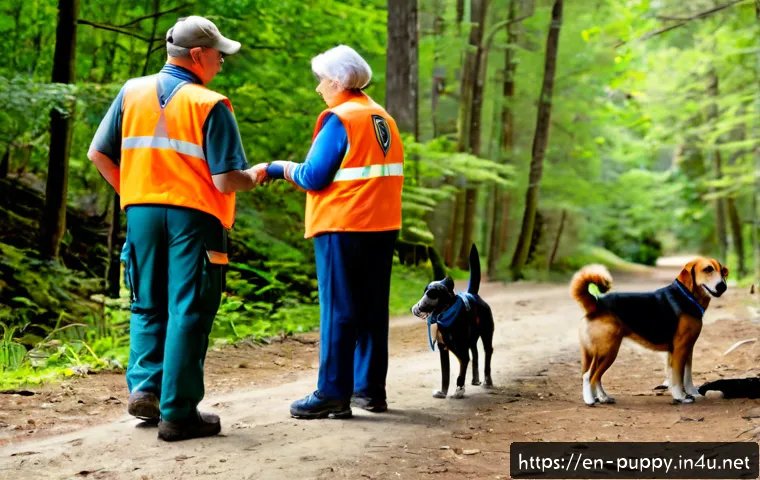
A helpful safety message is simple: if something feels unsafe, confusing, or too big to manage, find a trusted adult. You can help children identify who that means in daily life, such as a parent, caregiver, teacher, or another responsible adult already known to the family.
Avoiding Copycat Behavior Around Vehicles, Water, Tools, or Heights
Children should not copy action scenes involving vehicles, water, tools, climbing, or rescue equipment. A quick reminder before or after viewing can prevent mixed messages: “We can pretend with safe toys and open space, but we do not copy risky actions.” Adult supervision remains important during any active play.
Practical Activities Based on Teamwork and Problem-Solving
The strongest follow-up activities are short, low-pressure, and easy to repeat. They should focus on cooperation rather than dramatic rescue play.
Create a Family “Helper Roles” Chart
Make a simple chart with household tasks that children can do safely with support. Examples may include putting books away, matching socks, feeding a pet only when an adult approves, or helping prepare a play area. Let children choose a role and rotate tasks when possible.
The goal is not perfection. It is to show that every helpful role counts.
Practice a Calm Problem-Solving Sequence
Choose a small everyday problem, such as two children wanting the same game. Practice four steps: name the problem, ask for help if needed, think of a safe choice, and try it. Afterward, talk about what worked.
This activity is more useful when it stays calm and brief. If a child becomes frustrated, pause instead of trying to complete the exercise.
Use Pretend-Play Rescue Missions Without Risky Props
Create a safe pretend mission with stuffed animals, paper signs, pillows, or blocks. A toy might be “lost” under a blanket, and the child can make a plan to find it with another person. Avoid real tools, climbing, water play, busy streets, or any setup that encourages dangerous imitation.
Ask children to assign non-risky roles: planner, finder, comforter, or cleanup helper. This keeps the focus on communication and teamwork.
Choosing Child-Friendly Learning Resources: A Comparison Summary
Before choosing a streaming plan, activity book, or parent-guided learning resource, use these checks:
- Parental controls: Confirm that profiles, viewing limits, and content settings are available and understandable for your household.
- Age suitability: Review the current rating and content information rather than assuming every title suits every child.
- Subscription value: Consider recurring cost, how often the service will be used, and whether it supports your family’s viewing routine.
- Reusable materials: Prefer activity resources that can be used more than once and encourage talking, drawing, sorting, or cooperative play.
- Child fit: Match the resource to your child’s interests, attention span, temperament, and need for adult support.
For current parental control details, subscription conditions, and age-rating information, check the official page for the service or resource before choosing.
In Closing
PAW Patrol can provide a familiar starting point for conversations about helping, teamwork, and practical problem-solving. The show works best as entertainment with an adult nearby to add context when needed. A few calm questions or an offline activity can make the themes more relevant to daily family life. Keep real safety instruction separate from fictional rescue scenes, and use trusted local guidance for emergencies.
Useful Things to Know
1. Co-viewing does not need to last for an entire episode; even a short check-in can be meaningful.
2. A child who does not want to talk may still engage through drawing, pretend play, or a simple household helper role.
3. Offline teamwork activities can reinforce the same ideas without adding more viewing time.
Important Notes
Watching PAW Patrol alone cannot be assumed to improve behavior, confidence, or safety knowledge. Not every episode, character, or theme will suit every child’s age or developmental needs. Streaming availability, pricing, parental controls, and content ratings vary by location and may change, so verify current information directly. Real emergency procedures should come from trusted local safety guidance and adult supervision.
Frequently Asked Questions
Q1. What are the main positive lessons children can learn from PAW Patrol?
A1. Common themes include helping others, sharing responsibilities, working as a team, and taking a planned approach to a problem. Adults can make these themes more practical by connecting them to small situations at home, school, or play.
Q2. Is PAW Patrol appropriate for preschool-aged children?
A2. Suitability depends on the individual child, the current content rating, and family preferences. An adult can review the available content, use parental settings where offered, and co-view when a child needs help understanding exciting or potentially confusing scenes.
Q3. Is a child streaming subscription worth the cost for educational viewing?
A3. It may be useful if the service fits your household budget, provides appropriate parental controls, and is used as part of a balanced routine. A subscription alone does not make viewing educational; short conversations and offline follow-up activities can add more value.