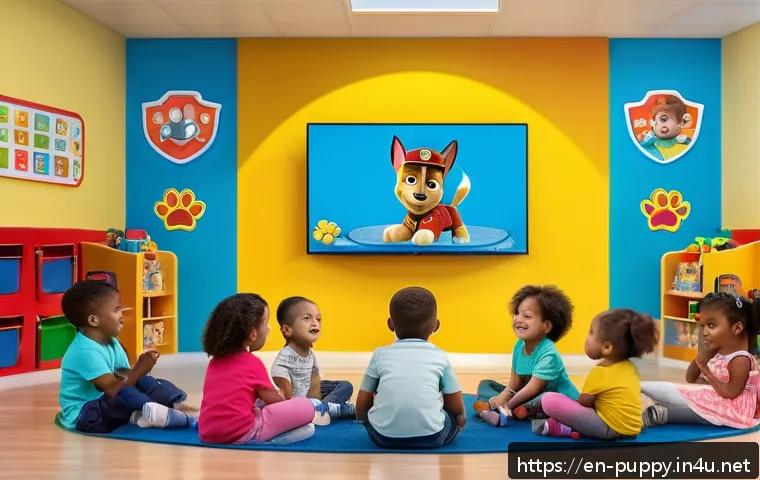
Paw Patrol commonly presents themes of helping others, teamwork, responsibility, and community service. Learn how to discuss these messages with children and assess whether the show fits your family’s media values.
Paw Patrol can give children simple examples of helping others, working as a team, and taking responsibility for a shared problem. Its strongest value is usually not the rescue itself, but the conversation an adult has with a child afterward.
Each episode can be a useful discussion starter when families also consider pacing, mild peril, advertising exposure, and their own screen-time rules.
Parents choosing children’s media or a family streaming plan can use those factors alongside the show’s positive themes. The series may suit children who enjoy cooperative problem-solving stories, while others may prefer slower-paced educational programming.
No single episode or character should be treated as a complete lesson on real-life behavior.
At a Glance
- Paw Patrol commonly presents helping others as a positive community responsibility.
- The team’s different roles can help children notice cooperation, preparation, and individual strengths.
- Adult discussion matters because rescue scenes can involve urgency, mild peril, and simplified solutions.
| Positive message | Possible concern | Discussion prompt | Best use case |
|---|---|---|---|
| Helping a neighbor or community member | Children may focus only on the exciting rescue | “What problem did they notice, and who needed help?” | Talking about everyday kindness |
| Teamwork between characters with different tools | Solutions may seem very quick or easy | “Which skill did each team member bring?” | Explaining cooperation and shared tasks |
| Preparing for a mission and following through | Fast pacing may feel intense for some children | “What could a person do safely before helping?” | Discussing responsibility and safety |
| Calling on others for support | A child might imitate a rescue scenario | “When should children ask a trusted adult for help?” | Setting real-world boundaries |
The Core Values Children May Notice in Paw Patrol
Paw Patrol is an animated children’s franchise about a team of rescue dogs led by Ryder. Episodes generally center on a community problem, and the team works together to solve it. That structure can make broad prosocial ideas easy for children to spot, especially when an adult names the idea clearly.
Helping Others Without Expecting a Reward
A recurring message is that helping another person is worthwhile because the community needs support. After an episode, a parent or caregiver can connect the fictional situation to small, realistic actions: helping clean up, checking whether someone needs assistance, or telling an adult when a problem occurs. Keep the distinction clear: real helping should be safe and age-appropriate, not a child trying to manage a risky situation alone.
Teamwork and Respect for Different Skills
Characters have distinct roles and tools. This offers a simple way to discuss the idea that a group does not need everyone to do the same thing. One person may organize, another may notice details, and another may offer practical help. A useful question is, “Why did the team need more than one helper?” This shifts attention away from who is the “best” character and toward cooperation between different strengths.
Responsibility, Preparation, and Following Through
The rescue format often includes a problem, a plan, and action. Children may notice that tasks are easier when people prepare and communicate. At the same time, the program is fictional and often moves quickly. It is helpful to explain that everyday responsibility can be less dramatic: putting materials away, keeping a promise, or asking for help before a situation becomes bigger.
A Quick Parent Guide: Positive Messages, Limits, and Discussion Prompts
The ethical message of a fictional program can vary by episode, plot, and character behavior. Rather than assuming every episode teaches the same lesson, use a brief check-in to separate the message from the action.
Comparing the Lesson With the On-Screen Action
Ask what the characters did well, then ask what would be different in real life. The team may solve a problem with special vehicles and tools, but children can learn that getting a trusted adult is often the right first step. This comparison prevents a rescue story from becoming a model for unsafe imitation.
Questions to Ask After an Episode
Try one or two short questions instead of turning viewing into a lecture. “Who was helped?” “How did the team decide what to do?” “Did anyone make a mistake?” “What could we do if we saw a problem at home or school?” These prompts turn passive watching into reflection on kindness, responsibility, and asking for support.
When Fast-Paced Rescue Scenes May Need Context
Some younger viewers may find urgency, problem-solving conflicts, or mild peril intense. Watch for signs that a child is uncomfortable, overly worried, or focused on copying a rescue. Pausing to explain that the scene is pretend may help. A family may also decide that a slower-paced educational show is a better fit at certain times.
How to Turn an Episode Into a Meaningful Learning Moment
The goal is not to treat the show as a complete lesson. A short follow-up activity can make the theme more concrete without adding more screen time.
Connect Fictional Rescues to Everyday Helping Behavior
Invite a child to name one safe way to help at home, in a classroom, or during play. Examples should stay ordinary: sharing supplies, helping return an item, or telling an adult when someone appears to need assistance. Emphasize that helping is not the same as taking charge of an emergency.
Discuss Mistakes, Consequences, and Asking Adults for Help
If a character acts too quickly or a plan changes, ask what could happen when people do not communicate. Then bring the lesson back to a child’s world: “Who could you ask if you were unsure?” This makes asking for help part of responsible behavior rather than something to avoid.
Avoid Treating Characters as Perfect Moral Models
Characters can provide examples, but they are not flawless guides for every situation. A balanced conversation includes what worked, what felt rushed, and what a real child should do differently. This approach respects the show’s positive themes without overstating what television alone can teach.
Guidance for Parents, Caregivers, and Early Childhood Educators

Use episodes as a shared starting point, not as a substitute for practice, supervision, or conversation. The same story can support different goals depending on the child and setting.
At-Home Viewing and Screen-Time Boundaries
Set a simple rule before viewing: choose an episode, watch together when possible, and decide what happens afterward. A short discussion, drawing activity, or non-screen play idea can create a clear stopping point. Consider whether the program’s pace, surrounding advertising, and household media rules fit your family.
Small-Group Activities About Community Helpers
For caregivers and educators, children can match community problems with safe helpers: a child may tell an adult, while trained adults handle the larger response. A group can also identify different useful roles, such as listening, organizing, comforting, or finding supplies. Keep the activity focused on cooperation and safe choices.
Supporting Children Who Copy Risky Rescue Behavior
Respond calmly and directly. Explain that rescue actions on screen are pretend and that children should not climb, run into danger, or try to solve emergencies alone. Offer a replacement action: move away from danger, tell a trusted adult, and follow the adult’s directions.
Choosing Children’s Media and Streaming Options
A family streaming subscription is not only a question of what one show offers. It is also a question of how the service fits your household’s viewing habits, controls, advertising exposure, and budget priorities.
Check Age Suitability, Intensity, and Advertising Exposure
Before choosing an episode or a streaming option, review the available content information for your location. Consider whether rescue scenes feel manageable for your child and whether an ad-supported plan introduces advertising your family would rather limit. Age fit and emotional comfort matter as much as the program’s intended lesson.
Compare Family Streaming Plans by Content Controls and Household Value
Compare available plans based on the features that matter to your household, such as child profiles, content controls, advertising format, and how many people will actually use the service. Availability, pricing, and ratings can vary by location, so check the current details directly before subscribing.
Consider Books, Crafts, and Community-Helper Activities Beyond the Screen
Companion learning resources can extend a theme without requiring another episode. A book about community helpers, a simple craft, or pretend play with safe roles may give children more time to practice language around teamwork. Choose materials based on the child’s interests rather than assuming branded items are necessary for learning.
Selection Criteria and Comparison Summary
Paw Patrol may be a good fit for a child who enjoys cooperative problem-solving stories and can handle brief urgency in a fictional rescue setting. A family may prefer slower-paced educational programming if the child becomes distressed by peril, fixates on rescue action, or struggles to stop after an episode. Before subscribing, buying companion materials, or continuing a series, check: age suitability; rescue-scene intensity; advertising exposure; household screen-time rules; available parental controls; and whether the content leads to useful discussion. For current plan features and content conditions, review the relevant service’s official details page.
Final Thoughts
Paw Patrol can offer approachable examples of helping, teamwork, and responsibility. Its messages are most useful when adults connect fictional missions to safe everyday choices. The show does not need to be perfect to be a worthwhile discussion starter. What matters is whether its pace, themes, and viewing context work for the individual child and family.
Useful Things to Know
1. A child may notice the action before the moral lesson, so a brief question afterward can be valuable.
2. Different roles on a team can support a conversation about different strengths.
3. Real-life helping includes knowing when to stop and ask a trusted adult.
4. Streaming availability, plan prices, and content ratings should be checked locally.
Important Considerations
The moral content may differ across episodes, and no evidence here supports the claim that viewing the show alone improves empathy, teamwork, or responsibility. Family suitability also depends on a child’s response to pacing, mild peril, merchandise interest, advertising exposure, and screen-time boundaries. Review individual episodes and current service information when those details matter to your decision.
Frequently Asked Questions
Q1. What are the main moral lessons in Paw Patrol?
A1. Common themes include helping others, teamwork, responsibility, preparation, and community service. The exact message can vary by episode, character behavior, and the way adults discuss the story with children.
Q2. Is Paw Patrol appropriate for preschool-aged children?
A2. It may suit some preschool-aged children, but families should consider each child’s comfort with fast-paced rescue scenes, mild peril, and urgency. Checking episode details and watching together can help parents decide.
Q3. How can parents use Paw Patrol to teach teamwork and responsibility?
A3. Ask short questions after an episode about who helped, which skills were needed, and when a child should ask an adult for support. Connect the answers to safe daily tasks such as sharing, cleaning up, communicating, and getting help when unsure.