With PAW Patrol continuing to dominate children’s entertainment, it’s fascinating to explore exactly who’s tuning in to this beloved puppy squad. Recent shifts in viewing habits and streaming platforms have opened up new insights into the show’s diverse audience.

Whether you’re a parent curious about your little one’s favorite series or a media enthusiast intrigued by children’s programming trends, understanding the age groups hooked on PAW Patrol reveals much more than just kid appeal.
Let’s dive into the surprising demographics behind this canine crew’s enduring popularity and what it means for the future of family entertainment. Stick around—you might just find out who’s really watching!
Who’s Really Watching PAW Patrol? Unpacking the Audience Mix
Preschool Powerhouses: The Core Viewers
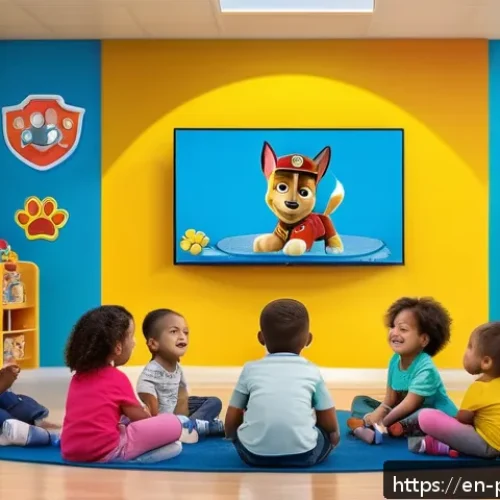
PAW Patrol’s main fanbase unquestionably consists of preschoolers aged 2 to 5 years old. This age group gravitates toward the show’s vibrant animation, catchy theme song, and simple yet engaging storylines.
From my own experience as a parent, it’s clear that toddlers are drawn to the puppies’ teamwork and problem-solving adventures, which feel both exciting and reassuring.
The characters embody traits young children admire, such as bravery, kindness, and helpfulness, making the show not just entertaining but also educational.
Parents often report that their kids eagerly request episodes repeatedly, which is a testament to the strong emotional connection the show builds with its youngest audience.
Early Elementary Explorers: Growing with the Puppies
Interestingly, PAW Patrol doesn’t lose viewers once kids hit elementary school. Children aged 6 to 8 often continue watching, especially those who have strong attachments to the characters from their preschool years.
At this stage, the show’s themes around community, responsibility, and friendship still resonate, though older kids might engage more critically with the plots or the humor.
I’ve noticed families with multiple children spanning these age ranges tend to keep PAW Patrol on rotation, which suggests its multi-age appeal is a factor in sustained viewing.
Plus, the availability of PAW Patrol on streaming platforms means kids can access episodes anytime, reinforcing habitual watching patterns.
The Surprising Older Fans and Adult Interest
You might be surprised to learn that PAW Patrol has a niche following among older kids, teens, and even adults. Some older children enjoy the nostalgia factor or the lighthearted escape it provides.
Additionally, social media communities, meme culture, and fan art dedicated to the characters have cultivated a broader appeal beyond just young children.
As someone who’s delved into these online fan circles, I’ve seen parents and older siblings share laughs over the show’s quirks and the adorable puppy antics.
This crossover appeal, while not massive, highlights how PAW Patrol’s reach extends into family bonding moments and pop culture discussions.
How Streaming Platforms Shape Viewing Patterns
The Shift from Broadcast to On-Demand
The rise of streaming services like Netflix, Paramount+, and Amazon Prime has transformed how children watch PAW Patrol. Unlike traditional TV schedules, streaming offers on-demand access, allowing kids and parents to watch episodes anytime.
This flexibility has contributed to longer viewing sessions and binge-watching habits. From what I’ve observed in my circle, families appreciate the convenience, especially when traveling or managing busy routines.
On-demand viewing also means that episodes can be replayed without ads, creating a smoother and more immersive experience for young viewers.
Global Accessibility and Regional Variations
Streaming platforms have made PAW Patrol available worldwide, breaking down geographical barriers that once limited access. This global reach has diversified the audience base, exposing the show to kids in various cultures and languages.
Streaming data reveals some regional variations in viewing habits—for example, younger viewers dominate in North America, while in some European countries, older siblings often watch alongside toddlers.
This international accessibility also opens doors for localized merchandise and events, which further engage different demographic groups.
Parental Controls and Viewing Management
A big part of streaming’s influence is the way parents can manage what and when their kids watch. Features like profiles, time limits, and content filters help tailor PAW Patrol viewing to fit family rules and schedules.
I personally find these tools invaluable to balance screen time and ensure age-appropriate content. Moreover, many streaming platforms provide additional educational resources or interactive elements linked to episodes, enhancing the learning experience for children.
Gender Dynamics in PAW Patrol’s Audience
Boys, Girls, and the Puppy Squad Appeal
While PAW Patrol was initially marketed broadly, it has managed to capture an almost equal interest from boys and girls. The show’s mix of traditionally masculine and feminine-coded characters challenges typical gender stereotypes in children’s programming.
For instance, characters like Skye, a female pilot pup, inspire many young girls with her bravery and skills, while male characters like Chase and Marshall remain favorites among boys.
From informal conversations with parents, it’s clear that children appreciate the diversity in roles and personalities, which helps the show maintain a balanced gender appeal.
Impact on Toy Sales and Merchandise
The gender-neutral appeal of PAW Patrol translates directly into merchandise sales. Toys, clothing, and accessories are designed to attract a broad spectrum of children, which encourages shared play and gift-giving across genders.
I’ve noticed that stores often display PAW Patrol products in ways that avoid reinforcing gender stereotypes, which parents welcome as a positive shift.
This inclusive approach not only drives revenue but also reflects changing attitudes about gender roles in children’s entertainment.
Parental Perspectives on Gender Representation
Many parents appreciate PAW Patrol’s efforts to provide strong, relatable characters for all children regardless of gender. In my experience talking to fellow moms and dads, they value how the show subtly teaches equality and teamwork without making gender a focal point.
This aspect often influences parents’ choices when selecting programs for their kids, as they want media that supports healthy social development.
Educational Content and Developmental Benefits
Problem-Solving and Critical Thinking
One of PAW Patrol’s standout strengths is its focus on teamwork and problem-solving. Each episode presents a challenge that the pups must overcome by applying skills like communication, creativity, and perseverance.
I’ve seen firsthand how this approach encourages young viewers to think critically and empathize with others. The show doesn’t just entertain—it models positive behavior and decision-making, which can be incredibly valuable during early childhood development.

Social-Emotional Learning through Characters
Beyond cognitive skills, PAW Patrol supports social-emotional learning by highlighting themes like friendship, cooperation, and responsibility. Characters demonstrate how to manage emotions, resolve conflicts, and help others, creating teachable moments embedded in fun narratives.
From discussions with educators, it’s clear that the show aligns well with preschool curricula focused on emotional intelligence and social skills.
Language Development and Communication Skills
For many kids, especially those learning English as a second language, PAW Patrol offers accessible vocabulary and clear speech patterns. The repetitive dialogue and catchy songs promote language acquisition in a natural way.
I’ve observed that children often mimic phrases or sing along, which aids in pronunciation and fluency. Parents also use episodes as a springboard for conversations and vocabulary-building activities.
Viewing Contexts: When and Where PAW Patrol Fits In
At Home: Daily Routine and Screen Time
PAW Patrol often becomes a staple in daily routines, whether as a calming pre-nap show or a reward after playtime. From my own household, I’ve noticed it’s a go-to for winding down or keeping kids engaged during busy moments.
The familiarity of the characters and predictable episode structure create a comforting environment. Parents appreciate how the show fits neatly into screen time limits while still providing meaningful content.
On the Go: Travel and Waiting Times
Thanks to streaming apps and portable devices, PAW Patrol is a frequent companion during travel or waiting periods. Parents frequently share stories about how the show helps keep children entertained during long car rides, doctor’s office visits, or grocery shopping.
This portability factor enhances its value as a convenient distraction and mood stabilizer in unpredictable situations.
Group Settings: Playdates and Preschool
In social settings like playdates or preschool classrooms, PAW Patrol serves as a common cultural reference point among children. Its shared popularity fosters interaction and imaginative play, as kids reenact scenes or discuss favorite characters.
Educators sometimes use episodes to reinforce lessons or as a calming activity. This communal aspect contributes to the show’s sustained popularity and relevance.
PAW Patrol Audience Demographics at a Glance
| Age Group | Viewing Habits | Key Motivations | Parental Feedback |
|---|---|---|---|
| 2-5 years | Frequent daily viewing, repeat episodes | Bright colors, simple stories, character attachment | Highly positive; seen as educational and entertaining |
| 6-8 years | Occasional viewing, nostalgic appeal | Character loyalty, problem-solving interest | Appreciated for positive messages and family bonding |
| 9+ years & adults | Niche interest, social media engagement | Nostalgia, humor, community involvement | Enjoyed as lighthearted entertainment and family connection |
What the Audience Data Means for PAW Patrol’s Future
Expanding Storylines for Broader Appeal
Given the diverse audience, the creators of PAW Patrol have started to introduce more complex story arcs and new characters. This evolution aims to keep the core preschool audience engaged while attracting older children and family viewers.
From following official announcements and fan reactions, it’s clear that the show is evolving thoughtfully, balancing fun with fresh challenges.
Leveraging Digital and Interactive Experiences
To stay relevant in a rapidly changing media landscape, PAW Patrol is expanding into interactive apps, games, and virtual events. These digital extensions create immersive experiences that deepen viewer engagement.
Parents often mention how these platforms complement watching and provide hands-on learning, which enhances the overall appeal.
Strengthening Family Entertainment Identity
PAW Patrol’s broad demographic reach positions it as a flagship family entertainment brand. By appealing to multiple generations simultaneously, it fosters shared experiences and conversations around values like teamwork and kindness.
This multi-layered connection suggests a promising future as the show continues to innovate while staying true to its roots.
In Conclusion
PAW Patrol has proven itself as more than just a preschool show by engaging a wide range of viewers across different ages. Its blend of fun storytelling, positive values, and accessibility through streaming platforms has secured its place in many households. As the series evolves, it continues to foster connections among kids, parents, and even older fans, making it a true family favorite.
Helpful Information to Know
1. PAW Patrol primarily appeals to preschoolers but also maintains viewership among early elementary kids and niche older audiences.
2. Streaming services have revolutionized how and when children watch, increasing convenience and encouraging binge-watching habits.
3. The show breaks traditional gender stereotypes by featuring a balanced mix of male and female characters, enhancing its broad appeal.
4. Educational elements such as problem-solving, social-emotional learning, and language development are core strengths of the series.
5. PAW Patrol fits naturally into various viewing contexts—from daily routines at home to on-the-go entertainment and social settings like playdates.
Key Takeaways
PAW Patrol’s success lies in its ability to engage a diverse audience while delivering meaningful content that supports child development. The show’s adaptability to modern viewing habits and commitment to inclusive storytelling ensure it remains relevant and beloved. Parents value its educational benefits and positive messages, which makes PAW Patrol not only entertaining but also a trusted choice for family viewing.
Frequently Asked Questions (FAQ) 📖
Q: What age groups are most commonly watching P
A: W Patrol? A1: PAW Patrol primarily attracts preschoolers aged 2 to 5, which aligns with its core target audience. However, recent viewing data and streaming trends show that kids up to age 7 still enjoy the show, often because of its engaging storytelling and colorful characters.
Interestingly, some parents and older siblings occasionally tune in as well, either to share quality screen time or out of curiosity, making the audience more diverse than one might expect.
Q: How have streaming platforms influenced the P
A: W Patrol audience demographics? A2: Streaming platforms like Netflix and Paramount+ have made PAW Patrol accessible beyond traditional TV schedules, allowing kids to watch episodes on demand.
This flexibility has expanded the show’s reach to slightly older children who prefer binge-watching or picking specific episodes. Additionally, the availability on mobile devices means parents often use the show as a convenient entertainment option during travel or downtime, subtly broadening the audience to include families looking for safe, reliable content.
Q: Why does P
A: W Patrol appeal to viewers beyond just young children? A3: While PAW Patrol is designed for young kids, its appeal extends to older viewers because of its positive themes, humor, and relatable characters.
Parents often appreciate the show’s emphasis on teamwork, problem-solving, and kindness, which can spark meaningful conversations with their children.
Moreover, the catchy music and dynamic animation make it enjoyable for older siblings or caregivers to watch alongside the little ones, creating a shared family viewing experience that strengthens its popularity across age groups.