
Every pet owner knows the importance of being prepared for emergencies, but how often do we truly understand the basics of animal rescue? Puppy Patrol’s animal rescue training offers practical, hands-on techniques that anyone can learn to protect and save our furry friends in distress.
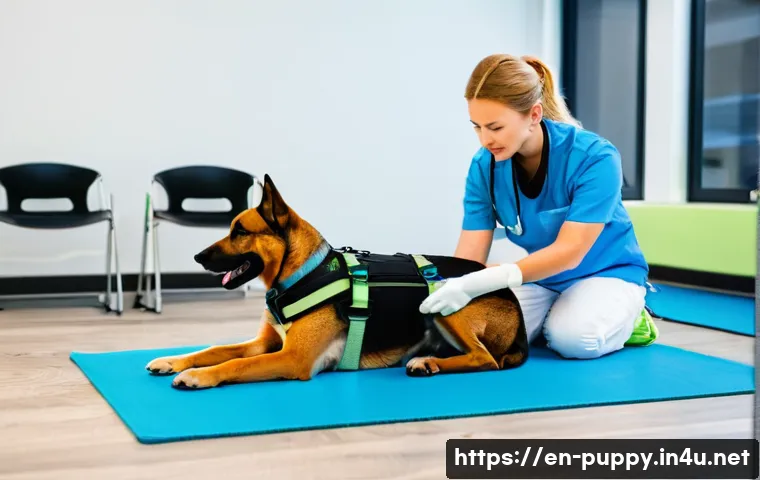
From recognizing signs of danger to executing quick and safe rescue moves, this training empowers individuals to act confidently when it matters most.
Whether you’re a pet parent, volunteer, or simply an animal lover, gaining these skills can make a real difference in critical moments. Let’s dive deeper and explore exactly how this training can equip you to be a hero for animals in need!
Identifying Emergency Situations in Animals
Recognizing Behavioral and Physical Signs
When an animal is in distress, the signs can range from subtle to obvious, but being alert to these indicators is crucial. For instance, panting excessively, trembling, or unusual aggression may signal pain or fear.
Physical symptoms like bleeding, difficulty breathing, or limping are clear red flags that immediate attention is needed. From my experience volunteering at shelters, I’ve learned that animals often mask pain, so even slight changes in their usual behavior should never be ignored.
Understanding these early warning signs can make the difference between a quick rescue and a prolonged emergency.
Environmental Clues That Signal Danger
Often, the environment around an animal provides critical clues about potential hazards. For example, an animal stuck in a precarious location such as a narrow crevice, tangled in fencing, or trapped in water requires urgent help.
During one of my rescue trainings, the instructor emphasized the importance of scanning the surroundings carefully before approaching, as hazards like broken glass, sharp objects, or aggressive animals nearby could complicate the rescue.
Recognizing these environmental risks helps prepare you for a safer intervention.
How to Stay Calm and Assess the Situation
Keeping calm during an emergency is easier said than done, but it’s essential for a successful rescue. Panic can lead to poor decisions or startling the animal further.
I’ve found that taking a deep breath, quickly surveying the scene, and planning your approach reduces risks significantly. Assess whether you need assistance or specialized equipment and avoid rushing in blindly.
This measured approach not only protects you but also helps maintain the animal’s trust and safety.
Essential Rescue Techniques Anyone Can Learn
Safe Handling and Approaching Strategies
Approaching a frightened or injured animal requires a gentle yet confident touch. From my hands-on experience, speaking softly and moving slowly helps prevent startling the animal.
Using a towel or blanket to gently wrap smaller pets during extraction minimizes stress and the chance of bites or scratches. Learning to use a leash or slip lead properly can also aid in controlling the animal safely.
These techniques might seem simple, but they’re vital to ensuring both rescuer and animal stay safe.
Performing Basic First Aid on Pets
Knowing how to provide immediate care can stabilize an animal until professional help arrives. For example, applying pressure to stop bleeding, performing CPR, or clearing airways are lifesaving skills I practiced during Puppy Patrol training.
I remember assisting a dog with a minor wound where quick bandaging prevented infection. First aid isn’t just about treatment; it’s also about comforting the animal and reducing shock.
Practicing these skills regularly builds confidence and readiness.
Using Rescue Tools Effectively
Rescue tools like muzzles, gloves, and stretchers are critical in handling emergencies safely. During training, instructors taught me how to choose the right tool for the situation and use it without causing additional harm.
For example, a properly fitted muzzle can prevent bites without restricting breathing. Knowing how to improvise with household items when specialized gear isn’t available can also be a lifesaver in real-world scenarios.
Building Confidence to Act Quickly
Overcoming Fear and Hesitation
Many people hesitate because they fear worsening the situation or getting hurt. Through repeated practice and real-life rescues, I realized that hesitation often causes more harm than good.
Puppy Patrol’s training encourages step-by-step approaches that build confidence. Starting with controlled scenarios and progressing to more complex situations helps overcome anxiety and develops instinctual responses that can save lives.
Teamwork and Communication During Rescues
Rescuing animals often requires cooperation. Learning how to communicate clearly with helpers, whether volunteers or professionals, ensures smooth operations.
I’ve been in situations where effective hand signals and calm verbal cues kept the rescue organized and safe. This coordination not only speeds up the process but also reduces stress for the animal and all involved.
Legal and Ethical Considerations
Knowing your legal boundaries is as important as the physical rescue. Some areas have specific rules about animal handling, and acting outside those can cause legal trouble.
Puppy Patrol’s program includes guidance on respecting property rights and animal welfare laws, which helps avoid complications. Ethically, prioritizing the animal’s well-being and avoiding unnecessary force always guides my actions in rescues.
Practical Scenarios and Real-Life Applications
Rescuing Pets from Vehicles
Hot cars are a common emergency, especially in summer. I recall a training session where we simulated removing a dog from a locked vehicle safely and quickly.
The key is to act fast but follow local regulations—sometimes calling authorities is necessary. Using cooling techniques and hydration immediately after rescue is crucial to prevent heatstroke.
Water Rescues and Drowning Prevention
Water-related emergencies demand special skills. I practiced techniques like approaching a struggling dog calmly and using flotation devices to avoid putting myself at risk.
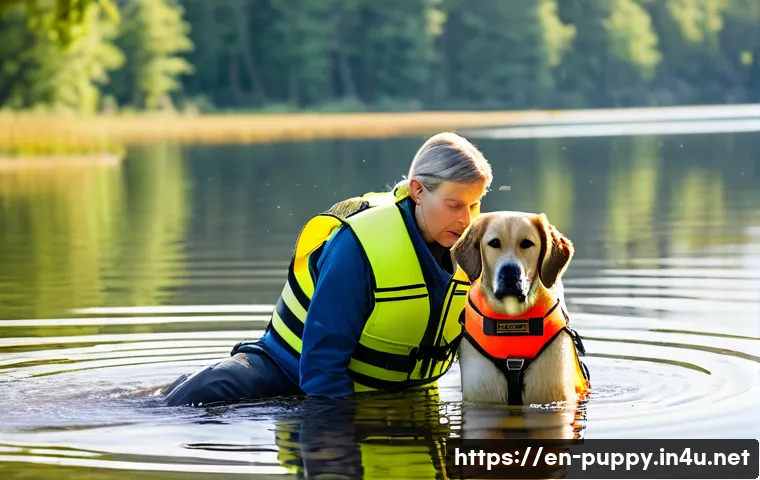
Timing and gentle handling are everything here since panicked animals can unintentionally cause harm. Knowing CPR tailored for pets is invaluable in these cases.
Handling Wildlife Encounters Safely
Not all rescues involve domestic pets. Sometimes, wildlife needs help too. I learned to identify when to intervene and when to call wildlife professionals.
Approaching wild animals requires extreme caution due to unpredictable behavior and disease risks. Understanding these limits protects both the rescuer and the animal.
Comparing Rescue Training Programs
| Feature | Puppy Patrol Training | Other Basic Courses | Advanced Veterinary Programs |
|---|---|---|---|
| Hands-on Practice | Extensive real-life simulations | Limited practical exercises | Highly technical, clinical focus |
| Audience | Pet owners, volunteers, animal lovers | General public | Veterinary professionals |
| Focus Areas | Emergency recognition, first aid, rescue techniques | Basic animal care | Medical treatment and surgery |
| Duration | Short courses with flexible scheduling | One-time workshops | Months to years of study |
| Certification | Certificate of completion with practical assessment | Certificate of attendance | Professional licensing |
Maintaining Skills and Staying Prepared
Regular Practice and Refresher Courses
Skills learned can fade without practice. I make it a point to revisit key techniques every few months, sometimes attending refresher workshops or practicing with local rescue groups.
This continuous learning keeps my reactions sharp and my knowledge up to date. It’s like riding a bike—once you learn, you don’t forget, but a little upkeep is always beneficial.
Creating an Emergency Kit for Pets
Having a ready-to-go kit tailored for pet emergencies is a game-changer. My kit includes bandages, antiseptics, a leash, gloves, and a pet first aid manual.
Keeping it in an accessible place and checking supplies regularly ensures I’m never caught off guard. I also recommend customizing kits based on the type and number of pets you care for.
Community Involvement and Volunteering
Engaging with local animal rescue groups not only sharpens your skills but also connects you with like-minded people. Volunteering gives real-world experience and emotional support during tough rescues.
Sharing knowledge within the community spreads awareness and builds a network ready to respond when emergencies arise. I’ve found these connections incredibly rewarding and empowering.
Adapting Rescue Techniques for Different Animals
Handling Small Pets vs. Large Dogs
The approach varies greatly between a tiny kitten and a large dog. Small pets require gentle containment, often using carriers or towels to prevent injury.
Large dogs, especially those frightened or in pain, may need restraint techniques that prioritize safety for both the animal and rescuer. In my experience, learning these distinctions is crucial to avoid exacerbating injuries or causing stress.
Special Considerations for Exotic Pets
Exotic pets like reptiles, birds, or small mammals have unique anatomy and stress responses. Puppy Patrol training touches on these differences, teaching how to handle them without causing harm.
For example, birds require minimal handling to avoid feather damage, and reptiles need careful temperature management during rescue. This knowledge is essential for anyone caring for a diverse group of animals.
Adjusting for Age and Health Conditions
Older animals or those with chronic health issues demand extra caution. Fragile bones, respiratory problems, or sensory impairments affect how you approach and support them during rescue.
I once helped an elderly dog with arthritis, and using soft padding and slow movements made all the difference. Tailoring your techniques to the animal’s condition ensures a smoother, safer rescue experience.
In Conclusion
Recognizing and responding to animal emergencies requires attentiveness, calmness, and practical skills. Through experience and training, anyone can become confident in handling these critical situations safely. The key is continuous learning and preparation to ensure both the animal’s well-being and your own safety. Every moment counts when it comes to rescuing animals in distress.
Useful Information to Keep in Mind
1. Always observe subtle changes in an animal’s behavior, as these can be early signs of distress or injury.
2. Assess the environment carefully before intervening to avoid additional hazards to yourself or the animal.
3. Practice basic first aid regularly to stay ready for emergencies, including knowing how to stop bleeding and perform CPR on pets.
4. Building teamwork and communication skills can greatly improve the effectiveness and safety of rescue efforts.
5. Keep a well-stocked emergency kit tailored to your pets and refresh your knowledge through ongoing training and volunteering.
Key Takeaways
Understanding emergency signs and environmental risks is essential for timely intervention. Approaching animals with calm, gentle confidence reduces stress and potential harm. Equipping yourself with first aid skills and rescue tools enhances your ability to provide immediate care. Regular practice, legal awareness, and community involvement strengthen preparedness. Finally, adapting rescue methods to different species, sizes, and health conditions ensures safer outcomes for all animals involved.
Frequently Asked Questions (FAQ) 📖
Q: What kind of skills will I learn in Puppy Patrol’s animal rescue training?
A: The training covers a range of practical skills, from identifying early signs that an animal is in distress to performing safe and effective rescue techniques.
You’ll learn how to approach scared or injured animals calmly, handle them without causing further harm, and administer basic first aid if necessary. The hands-on nature of the course ensures that you gain confidence in real-life scenarios, so when an emergency arises, you’re ready to act quickly and responsibly.
Q: Is this training suitable for people without any prior experience with animals?
A: Absolutely! Puppy Patrol’s training is designed for everyone—whether you’re a seasoned pet owner, a volunteer at an animal shelter, or someone who simply loves animals but hasn’t had much direct experience.
The instructors break down techniques into easy-to-follow steps, making the material accessible and understandable. You’ll be surprised how quickly you pick up the skills, especially since the training emphasizes practical, real-world situations rather than just theory.
Q: How can gaining these rescue skills benefit me and the animals I care about?
A: Knowing how to respond in an emergency can literally save a life. Beyond the obvious benefit to animals, these skills also give you peace of mind and reduce panic in stressful moments.
From my own experience, having this knowledge makes me feel more connected to my pets and my community because I know I can step in if needed. Plus, being prepared can prevent small problems from becoming serious injuries, which ultimately saves time, money, and heartache.
It’s empowering to know you can make a difference when it counts the most.