Alright, fellow parents and Paw Patrol enthusiasts, let’s be honest for a second. If you’ve got little ones, you’ve probably heard ‘Ryder, we’re ready for action!’ more times than you can count – maybe even in your sleep!
It’s incredible how this show captures young imaginations, and as a parent who’s seen countless episodes, I totally get the appeal. But beyond the catchy theme song and adorable pups, have you ever dipped your toes into the vibrant, sometimes hilarious, sometimes surprisingly deep world of Paw Patrol community discussions?
I’ve spent more than a few late nights (after the kids are finally asleep, of course!) scrolling through forums and chatting with other parents, and let me tell you, the conversations happening online are absolutely fascinating.
From wild fan theories about Ryder’s mysterious funding or the curious lack of adult emergency services in Adventure Bay, to debates about the latest sub-series and what the future holds for our beloved Adventure Bay crew, there’s always something new sparking passionate dialogue.
We’re talking about everything from the show’s educational value to predictions for upcoming movies and even a “refreshed look” for Chase, as I’ve recently heard is a hot topic.
It’s a testament to how deeply this show resonates, not just with kids, but with us adults too, often leading to some pretty elaborate fan theories that I find genuinely entertaining.
Trust me, it’s not just cartoons; it’s a cultural phenomenon that’s generating some seriously interesting chatter. Curious about the hottest takes and the most unexpected insights currently making waves in the Paw Patrol fandom?
Let’s dive into what everyone’s really talking about.
Unpacking Adventure Bay’s Grand Mysteries
Okay, let’s get real for a minute. We’ve all watched countless episodes, seen the pups save the day more times than we can count, but haven’t you ever stopped to wonder about the deeper workings of Adventure Bay? I know I have, especially during those quiet moments after the kids are finally tucked in and I’m catching up on online discussions. The community is absolutely buzzing with some truly fascinating, and sometimes hilarious, theories about the show’s underlying logic. My personal favorite? The perennial question of Ryder’s seemingly limitless wealth and advanced gadgetry. Seriously, where does a 10-year-old get the funding for a high-tech tower, flying vehicles, and individual pup houses, all without a visible adult guardian or a lemonade stand empire? It’s a goldmine for speculation, ranging from “he’s a child genius inventor” to “he inherited a tech empire” to the more outlandish “he’s a secret government agent.” These discussions aren’t just silly; they highlight how much we, as parents and fans, invest in the world-building, even if it’s a cartoon. And let’s not forget the curious absence of human emergency services. Where are the police? The fire department? Nope, just a bunch of well-meaning pups. It truly makes you think about the unique societal structure of Adventure Bay. I’ve seen some incredible, detailed breakdowns of how the Paw Patrol essentially acts as the sole governmental and emergency response system, which is honestly quite a feat for a kid and his dogs!
Ryder’s Riches: A Deep Dive into His Funding
This topic never fails to ignite a spirited debate! I’ve been following these threads for ages, and it’s clear everyone has their own pet theory on how Ryder manages to afford all that cutting-edge tech. Some argue he’s a prodigy, a modern-day boy billionaire who’s simply chosen to dedicate his immense resources to public service, albeit with a youthful flair. Others suggest a more fantastical origin, perhaps inherited wealth from a mysterious, off-screen family, or even a futuristic benefactor. What I find most charming about these discussions is the collective effort to rationalize something that’s clearly just a plot device for a children’s show. But hey, it keeps us engaged, doesn’t it? I personally lean towards the “child genius inventor” theory because it feels the most empowering for kids watching – that anyone, regardless of age, can innovate and make a huge difference if they put their mind to it and, well, have a giant robot dog that transforms into a submarine. It definitely sparks some interesting conversations with my own kids about where things come from and how resources are used in our world.
The Curious Case of Adventure Bay’s Adult Services
Another hot topic that consistently pops up is the conspicuous lack of adult-run emergency services in Adventure Bay. It’s like the entire adult population just collectively decided to outsource all critical public safety roles to a pre-teen and his canine companions. This often leads to some hilarious, albeit slightly unsettling, fan theories about the underlying social contract of Adventure Bay. Are the adults simply too incompetent? Do they have an unspoken agreement that the Paw Patrol handles everything? I’ve seen discussions suggesting that the adults are deliberately letting the kids lead to foster a sense of responsibility, or that the Paw Patrol’s efficiency has simply rendered traditional services obsolete. It’s a fun thought experiment, and as a parent, it certainly makes me chuckle to think of a world where all major crises are averted by a talking bulldog or a high-flying cockapoo. It’s a testament to the show’s creative premise that it can inspire such imaginative sociological analyses among its adult fans.
The Great Debate: Educational Value or Just Entertainment?
As parents, we’re constantly juggling screen time with quality content, and Paw Patrol often lands squarely in the middle of that conversation. I’ve been part of so many discussions, both online and with my mom friends, about whether the show offers genuine educational value or if it’s simply a fun, escapist cartoon. On one hand, you’ve got the clear emphasis on problem-solving, teamwork, and civic duty. Each episode presents a challenge, and the pups work together, utilizing their unique skills and gadgets, to overcome it. My kids have definitely picked up on the importance of helping others and thinking through solutions, even if their solutions often involve a giant net or a super-duper water cannon. On the other hand, some argue that the “solutions” are often too simplistic or repetitive, and that the show lacks the deeper emotional or cognitive challenges found in other educational programming. I think the truth, as always, lies somewhere in the middle. It’s not a documentary, but it certainly instills good values and encourages basic problem-solving skills in a highly engaging format. I’ve personally seen my youngest mimic Ryder’s commands when playing with their toys, assigning specific roles and encouraging cooperation, which, for me, is a win!
Beyond the Catchphrases: Lessons in Teamwork and Problem-Solving
I’ve observed countless times how the core message of teamwork and problem-solving really shines through in Paw Patrol. Every single rescue scenario reinforces the idea that by collaborating and utilizing individual strengths, any challenge can be overcome. My little ones, after watching an episode, will often re-enact scenes, assigning roles like “Chase” (the leader, of course!) or “Skye” (for anything requiring flight), and coordinating their efforts to “save” a toy. It’s truly heartwarming to see them internalize these concepts. The show consistently demonstrates that different skills are equally valuable, from Rubble’s construction expertise to Rocky’s recycling ingenuity. This subtle messaging about valuing diverse talents is, in my opinion, incredibly important for young children. It teaches them that everyone has a role to play and that asking for help and working together leads to better outcomes. These aren’t just empty platitudes; they’re woven into the very fabric of the show’s narrative, making them easily digestible for tiny minds.
The Repetition Conundrum: A Parent’s Perspective
While the lessons are clear, a recurring point of contention in parent forums is the show’s repetitive nature. Let’s be honest, the “Ryder calls, pups assemble, specific pup gets the job, mission accomplished” formula is pretty consistent. Some parents worry this limits the show’s educational potential, leading to predictability rather than genuine critical thinking. I’ve heard sentiments like, “My kids know exactly what’s going to happen before it does!” And I get it, I really do. After watching the same episode for the tenth time, you start to predict every line. However, I’ve also found that this repetition can be incredibly comforting for young children. It provides a sense of security and familiarity, allowing them to focus on the details of the problem and solution rather than getting lost in complex plots. It also aids in memory and reinforcing those core messages. So, while it might not be a high-octane intellectual challenge for us adults, for a preschooler, that consistent structure can be a powerful learning tool. It’s a trade-off, isn’t it?
Character Deep Dives: Who’s Your Favorite Pup (and Why)?
Oh, the endless debate! If you’ve ever spent time in a Paw Patrol fan group, you know that asking “Who’s your favorite pup?” is like opening Pandora’s Box – in the best possible way, of course! Everyone has their ride-or-die canine hero, and the reasons behind those choices are often as varied and endearing as the pups themselves. I’ve seen heated (but friendly!) discussions comparing Chase’s leadership skills to Marshall’s unwavering optimism, or Rocky’s cleverness to Zuma’s chill vibe. For my family, it changes weekly! My son is currently obsessed with Rubble because “he’s strong and builds cool stuff,” while my daughter adores Skye for her flying abilities and, let’s face it, her adorable pink gear. What I love about these conversations is how they reveal our own values and preferences reflected in these animated characters. It’s not just about who’s “best”; it’s about what qualities resonate with us and our children. It’s also fantastic to see how the community embraces every single pup, understanding that each one brings something unique and essential to the team. There’s a pup for every personality, and that’s a huge part of the show’s enduring charm.
The Unsung Heroes and Fan Favorites
While Chase and Marshall often get the spotlight, I’ve noticed a huge amount of love for the “unsung heroes” of the Paw Patrol. For example, Rocky, with his “Don’t lose it, reuse it!” motto, consistently earns praise for his eco-friendly ingenuity and problem-solving. Parents often point to him as a great role model for sustainability. Then there’s Zuma, the aquatic pup, who might seem quiet, but his calm demeanor and vital water rescue skills are always appreciated in the community discussions. It’s not always about the flashiest skills; sometimes it’s about the consistent, reliable impact. And let’s not forget Everest and Tracker, the extended Paw Patrol family, who bring their unique cold-weather and jungle expertise to the team. Their appearances always spark excitement, and fans love debating when they’ll pop up next. It shows that the creators have done a fantastic job of giving each character a distinct personality and purpose, making them all relatable and lovable in their own right, and providing endless fodder for friendly fan arguments.
Why Our Kids Connect with Specific Pups
It’s truly fascinating to see which pups resonate most with our little ones. I’ve noticed that kids often gravitate towards the pup whose personality or skills align with their own burgeoning interests or aspirations. A child who loves to build might identify with Rubble; one who’s a natural leader might idolize Chase. My daughter, for instance, is absolutely mesmerized by Skye, dreaming of flying and soaring through the sky, reflecting her own adventurous spirit. There’s also the element of wishing for a specific pet. I can’t tell you how many times I’ve heard “I wish we had a dog like Marshall!” in my own home. These connections go beyond just liking a character; they become aspirational figures. The pups are always brave, kind, and capable, providing a safe and positive blueprint for how to approach challenges and interact with others. It’s a powerful psychological pull, and it contributes significantly to the show’s deep impact on children. It’s not just a show; it’s a mirror reflecting their own burgeoning personalities.
Forecasting the Future: What’s Next for Our Favorite Rescue Crew?
The Paw Patrol universe is always expanding, and the community absolutely *loves* to speculate about what’s coming next! From new pups joining the team to bigger, more epic movies, the discussions are always lively and full of passionate predictions. I’ve seen some incredibly creative fan theories about potential spin-offs, new vehicle upgrades, or even what challenges could possibly be next for the Adventure Bay crew after they’ve tackled everything from runaway trains to space rocks. The advent of sub-series like “Mighty Pups” and “Dino Rescue” has only fueled this fire, showing that the creators aren’t afraid to push the boundaries of the Paw Patrol world. There’s a real excitement in trying to guess the next big adventure. Will they go underwater to a lost city? Travel to another planet (again)? Or perhaps face a villain that requires all their combined might? These discussions aren’t just wishful thinking; they show how invested fans are in the ongoing narrative and character development, even in a show aimed at preschoolers. It’s a delightful mix of informed speculation and pure, imaginative fun, and it keeps the fandom vibrant.
Predicting the Next Big Paw Patrol Movie
The Paw Patrol movies have become massive events, and the online community goes into overdrive trying to predict every detail of the next big screen adventure. I mean, who can forget the excitement leading up to “Paw Patrol: The Movie” and “Paw Patrol: The Mighty Movie”? The forums explode with theories about plotlines, potential new characters, and even which pups will get the most screen time. Will they introduce a completely new, overarching villain? Will the movie explore a deeper backstory for Ryder or one of the pups? I’ve seen some truly elaborate fan-fic-level predictions that are incredibly well thought out! It’s a testament to how deeply fans engage with the universe. The anticipation for these cinematic releases is palpable, and it’s a shared experience that brings parents and kids alike into the discussion. We’re all eagerly awaiting the next big announcement, dissecting every teaser trailer and press release for clues about what kind of epic rescue awaits our beloved pups. It’s a collective countdown, and it’s so much fun to be a part of.
Evolving Storylines and Character Arcs
Even in a show designed for young children, fans love to discuss the subtle (and sometimes not-so-subtle) evolution of the characters and storylines. While the core personalities remain, there are always little nuggets of growth. For instance, the introduction of Everest and Tracker, and how they seamlessly integrated into the team, sparked conversations about inclusivity and adaptation. Similarly, the specialized sub-series like “Rescue Knights” or “Aqua Pups” have shown the pups taking on new roles and challenges, stretching their capabilities and demonstrating versatility. Community members often chat about which pups have “grown” the most, or which ones deserve more dedicated storylines. These discussions go beyond just casual viewing; they delve into the narrative choices and the potential for deeper character development within the Paw Patrol framework. It shows that even simple stories can inspire complex thinking and engagement from an invested audience, which is something I deeply appreciate as a fan myself. It keeps things fresh and exciting, even for us long-time viewers.
Beyond the TV Screen: Fan Creations and Community Spirit
One of the most heartwarming aspects of being part of the Paw Patrol fandom is seeing the incredible outpouring of creativity and community spirit that extends far beyond the television screen. It’s not just about watching the show; it’s about actively participating in the world it creates. I’m constantly amazed by the fan art, the imaginative stories, and even the intricate LEGO builds inspired by Adventure Bay. Parents share photos of their kids’ Paw Patrol-themed birthday parties, elaborate Halloween costumes, and homemade rescue vehicles. There’s a real sense of shared passion and mutual support within these online communities. I’ve personally gotten some fantastic ideas for activities and crafts from other parents, and it’s wonderful to feel that connection with people who understand the unique joys (and occasional frustrations) of having a Paw Patrol-obsessed child. It’s a testament to the show’s ability to spark imagination and foster a sense of belonging among its viewers, regardless of age. This vibrant creative output truly elevates the viewing experience into a full-fledged cultural phenomenon.
Fan Art, Crafts, and Imaginative Play
The sheer volume of fan-created content is astounding! I’ve spent hours scrolling through galleries of beautifully drawn pup portraits, digitally enhanced rescue scenes, and even hilarious fan comics. But it’s not just digital art; the real-world crafts are just as impressive. Parents share ingenious DIY projects, from cardboard lookout towers to pup-inspired playdough sets. My own kitchen table has, on more than one occasion, been transformed into a Paw Patrol craft zone, thanks to inspiration gleaned from these forums. These activities extend the magic of the show, allowing kids to engage with their favorite characters in a hands-on, creative way. And the imaginative play? Oh, it’s endless! My children constantly invent new rescue missions for their stuffed pups, complete with detailed narratives and dramatic sound effects. This kind of active engagement is a huge win for development, encouraging storytelling, problem-solving, and social interaction, all fueled by the colorful world of the Paw Patrol. It really goes to show how deeply these characters embed themselves in children’s play lives.
Connecting with Fellow Paw Patrol Parents
For me, one of the biggest unexpected joys of the Paw Patrol phenomenon has been connecting with other parents who ‘get it.’ You know, those moments when you can swap stories about your kids’ latest Paw Patrol obsession, or complain (lovingly, of course) about the sheer number of pup toys accumulating in the living room. These online communities provide a fantastic outlet for shared experiences. I’ve found advice on everything from where to find that elusive limited-edition toy to tips for managing screen time effectively. It’s a space where you can ask silly questions, share proud parenting moments, and simply feel understood. There’s a camaraderie that forms around this shared experience of raising kids in a world where “no job is too big, no pup is too small” is a household motto. It’s more than just a fan group; it’s a supportive network that makes the parenting journey a little less lonely and a lot more fun. Truly, some of my best parenting hacks have come from these online connections.
Parental Perspectives: What We Learn (and Grumble About)
Let’s be honest, watching a children’s show repeatedly can be an exercise in patience for us adults. But even amidst the endless reruns, I’ve found that the Paw Patrol community offers a fantastic space for parents to share both their genuine appreciation and their occasional grumbles. We discuss the unexpected life lessons we’ve gleaned, the subtle (or not-so-subtle) marketing strategies we navigate, and even the moments that make us cringe. For example, the discussions around the merchandise – oh, the merchandise! It’s everywhere, and every parent knows the struggle of trying to balance a child’s desire for the latest pup toy with a sane budget. These conversations are invaluable, offering tips on where to find deals, how to manage expectations, and even creative ways to reuse old toys. But beyond the commercial aspects, we also reflect on the show’s impact on our children’s behavior. I’ve often seen parents discuss how their kids mimic the pups’ teamwork or Ryder’s leadership, which is truly wonderful. However, there are also the inevitable debates about the portrayal of certain characters or storylines that might raise an eyebrow. It’s a dynamic space where we can process our thoughts, share our experiences, and support each other through the delightful chaos of parenting.
Navigating the World of Paw Patrol Merchandise
If you’re a Paw Patrol parent, you know the merchandise game is strong. Very, very strong. From action figures and plushies to clothing, bedding, and even food items, the pups are everywhere. This is a constant topic in parent groups, and for good reason! We share tips on where to find the best deals, which toys are actually worth the investment, and how to gracefully deflect requests for *yet another* Chase figure. I’ve seen some brilliant strategies for managing toy clutter and for making thoughtful gift choices that align with the show’s values. There’s a collective sigh of relief when someone shares a great sale, and a shared groan when a new, must-have item is released. It’s a never-ending battle, but having a community to commiserate with, and get practical advice from, makes it so much easier. It’s a significant part of the Paw Patrol parent experience, and these discussions are incredibly practical and reassuring for those of us trying to survive the deluge of pup-themed consumer goods without losing our minds (or our wallets).
Unexpected Life Lessons for Adults (Yes, Really!)
You might scoff, but I truly believe that even as adults, we can pick up a few nuggets of wisdom from Paw Patrol. In parent discussions, I’ve often seen people highlight how the show subtly reinforces themes like perseverance, empathy, and the importance of asking for help. How many times have we, as adults, tried to tackle a problem alone when a little collaboration would make all the difference? The pups consistently demonstrate that it’s okay not to have all the answers and that leveraging different strengths leads to better outcomes. I personally find Marshall’s unwavering optimism contagious, and sometimes, after a particularly trying day, his cheerful “I’m fired up!” can actually bring a tiny smile to my face. It’s a reminder to approach challenges with a positive attitude. These aren’t profound philosophical revelations, but they are gentle nudges toward good principles, reminding us that sometimes the simplest lessons are the most enduring. It’s surprisingly therapeutic, actually, to see these fundamental values consistently modeled, even in a cartoon.
The “Refreshed Look” Phenomenon and Other Hot Takes
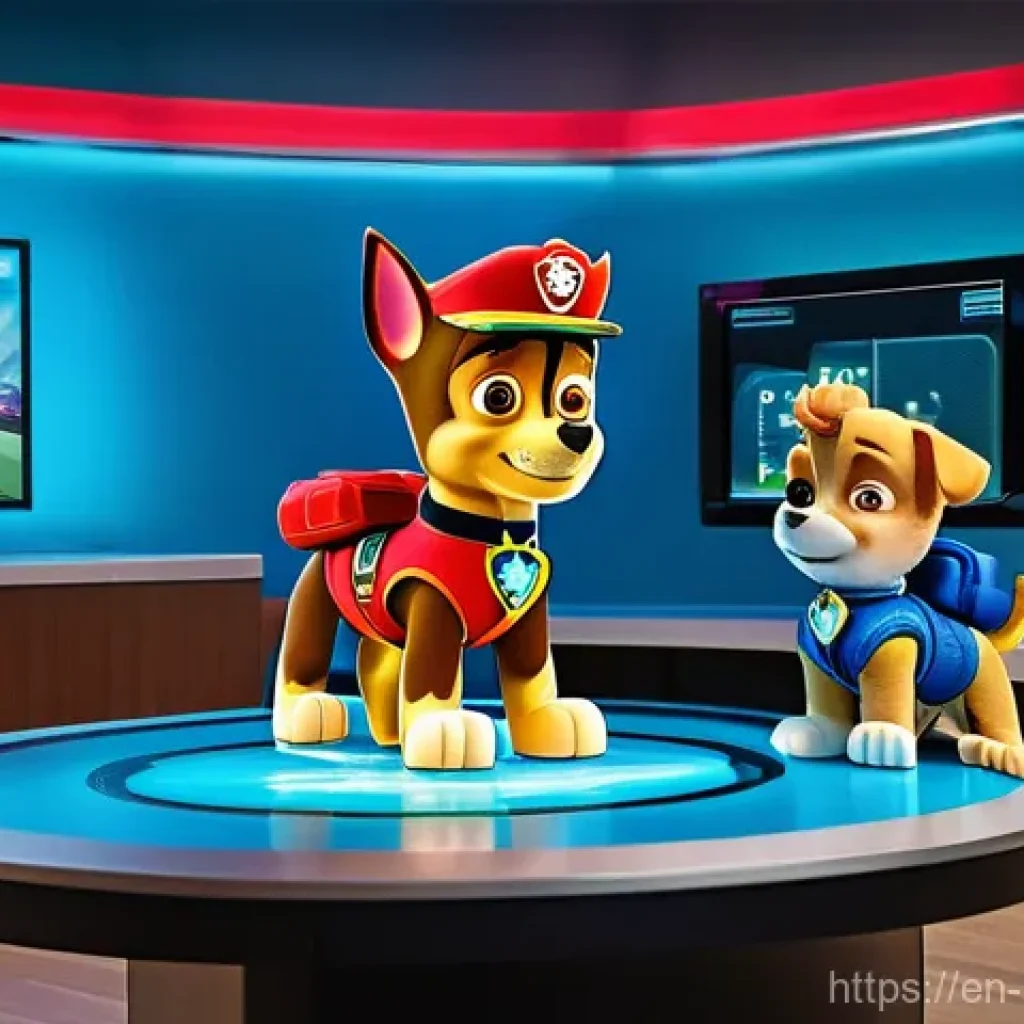
Change is inevitable, even in Adventure Bay! One of the most talked-about topics in recent times, especially among long-time fans and eagle-eyed parents, has been the “refreshed look” given to some of our beloved pups, particularly Chase. Oh, the debates! I’ve seen forums absolutely erupt with opinions ranging from “It’s a welcome modernization!” to “They’ve ruined his classic charm!” It’s genuinely fascinating to witness the passion with which people discuss these visual updates. It speaks volumes about how deeply these characters have embedded themselves in our collective consciousness. It’s not just a cartoon; for many, it’s a nostalgic touchstone, and any alteration is met with a mixture of curiosity, excitement, and sometimes, a little bit of protective indignation. These discussions extend to other “hot takes” within the fandom as well, from critiques of specific episode plots to musings on character voice changes. It’s all part of the fun of being truly invested in a beloved series, and it highlights the active, engaged nature of the Paw Patrol community.
Debating the Character Design Updates
The “refreshed look” for characters, particularly Chase, has been a whirlwind topic in the community! I’ve been following these threads closely, and it’s clear that fans have very strong feelings about character design. Some argue that the updates are a natural evolution, bringing the animation style in line with modern standards and appealing to a new generation of viewers. They might point to subtle changes in texture, sharper lines, or slightly altered proportions that enhance the character’s appeal. On the other hand, many fans, myself included to a certain extent, feel a strong connection to the original designs. There’s a nostalgic charm in the classic look, and any deviation can feel jarring, almost like a piece of their childhood is being altered. These discussions often delve into the technical aspects of animation and the balance between staying true to the original vision and adapting for contemporary audiences. It’s a testament to the show’s enduring legacy that such details can spark such passionate and thoughtful discussions among its dedicated fanbase.
Community Hot Takes on Storylines and More
Beyond character designs, the community always has a plethora of “hot takes” on various aspects of the show. We’re talking about everything from favorite (and least favorite) episodes to debates about the scientific (or unscientific!) plausibility of certain rescue missions. I’ve seen some hilarious analyses of Mayor Goodway’s competence or Captain Turbot’s navigational skills. There are also ongoing discussions about the direction of new sub-series – which ones hit the mark and which ones, well, didn’t quite land. These aren’t just complaints; they’re often constructive criticisms or playful observations that highlight the deep engagement of the viewers. It’s a space where fans can vent, share their opinions, and collectively celebrate or gently critique the creative choices made by the showrunners. It’s a dynamic, ever-evolving conversation, and it’s a big part of what makes being a Paw Patrol fan so much fun. These “hot takes” keep the community vibrant and ensure there’s always something new to chat about, even after countless rewatches.
| Topic Category | Common Discussion Points | Parental Angle / Our Takeaway |
|---|---|---|
| Adventure Bay Logic | Ryder’s funding, lack of adult services, advanced tech. | Sparks imagination about societal structures; fun to theorize. |
| Educational Value | Teamwork, problem-solving, repetitive plots vs. genuine learning. | Reinforces positive values; repetition aids young learners. |
| Character Favorites | Who’s the best pup? Unsung heroes, pup personality matches. | Reflects kids’ aspirations; celebrates diverse strengths. |
| Future Predictions | Upcoming movies, new pups, evolving storylines, sub-series. | Keeps fandom engaged; anticipation for new content. |
| Community & Creativity | Fan art, DIY crafts, connecting with other parents. | Fosters creativity; provides valuable parental support. |
| “Hot Takes” & Updates | Character design changes, episode critiques, merchandise. | Shows deep fan investment; practical advice on consumerism. |
Unpacking Adventure Bay’s Grand Mysteries
Okay, let’s get real for a minute. We’ve all watched countless episodes, seen the pups save the day more times than we can count, but haven’t you ever stopped to wonder about the deeper workings of Adventure Bay? I know I have, especially during those quiet moments after the kids are finally tucked in and I’m catching up on online discussions. The community is absolutely buzzing with some truly fascinating, and sometimes hilarious, theories about the show’s underlying logic. My personal favorite? The perennial question of Ryder’s seemingly limitless wealth and advanced gadgetry. Seriously, where does a 10-year-old get the funding for a high-tech tower, flying vehicles, and individual pup houses, all without a visible adult guardian or a lemonade stand empire? It’s a goldmine for speculation, ranging from “he’s a child genius inventor” to “he inherited a tech empire” to the more outlandish “he’s a secret government agent.” These discussions aren’t just silly; they highlight how much we, as parents and fans, invest in the world-building, even if it’s a cartoon. And let’s not forget the curious absence of human emergency services. Where are the police? The fire department? Nope, just a bunch of well-meaning pups. It truly makes you think about the unique societal structure of Adventure Bay. I’ve seen some incredible, detailed breakdowns of how the Paw Patrol essentially acts as the sole governmental and emergency response system, which is honestly quite a feat for a kid and his dogs!
Ryder’s Riches: A Deep Dive into His Funding
This topic never fails to ignite a spirited debate! I’ve been following these threads for ages, and it’s clear everyone has their own pet theory on how Ryder manages to afford all that cutting-edge tech. Some argue he’s a prodigy, a modern-day boy billionaire who’s simply chosen to dedicate his immense resources to public service, albeit with a youthful flair. Others suggest a more fantastical origin, perhaps inherited wealth from a mysterious, off-screen family, or even a futuristic benefactor. What I find most charming about these discussions is the collective effort to rationalize something that’s clearly just a plot device for a children’s show. But hey, it keeps us engaged, doesn’t it? I personally lean towards the “child genius inventor” theory because it feels the most empowering for kids watching – that anyone, regardless of age, can innovate and make a huge difference if they put their mind to it and, well, have a giant robot dog that transforms into a submarine. It definitely sparks some interesting conversations with my own kids about where things come from and how resources are used in our world.
The Curious Case of Adventure Bay’s Adult Services
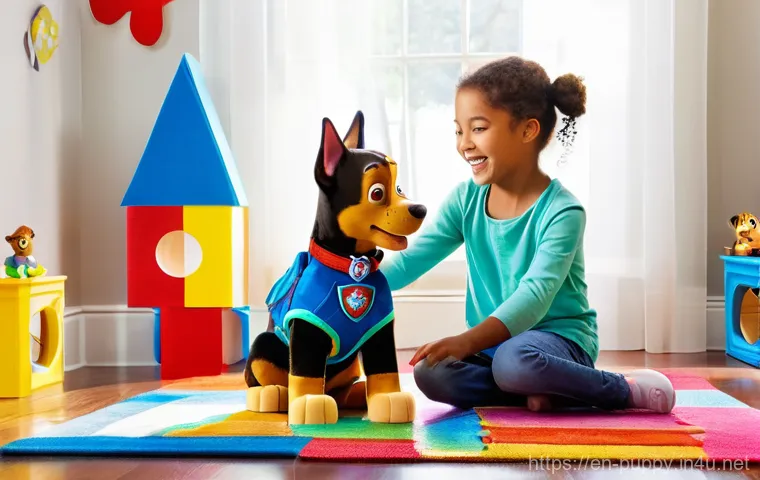
Another hot topic that consistently pops up is the conspicuous lack of adult-run emergency services in Adventure Bay. It’s like the entire adult population just collectively decided to outsource all critical public safety roles to a pre-teen and his canine companions. This often leads to some hilarious, albeit slightly unsettling, fan theories about the underlying social contract of Adventure Bay. Are the adults simply too incompetent? Do they have an unspoken agreement that the Paw Patrol handles everything? I’ve seen discussions suggesting that the adults are deliberately letting the kids lead to foster a sense of responsibility, or that the Paw Patrol’s efficiency has simply rendered traditional services obsolete. It’s a fun thought experiment, and as a parent, it certainly makes me chuckle to think of a world where all major crises are averted by a talking bulldog or a high-flying cockapoo. It’s a testament to the show’s creative premise that it can inspire such imaginative sociological analyses among its adult fans.
The Great Debate: Educational Value or Just Entertainment?
As parents, we’re constantly juggling screen time with quality content, and Paw Patrol often lands squarely in the middle of that conversation. I’ve been part of so many discussions, both online and with my mom friends, about whether the show offers genuine educational value or if it’s simply a fun, escapist cartoon. On one hand, you’ve got the clear emphasis on problem-solving, teamwork, and civic duty. Each episode presents a challenge, and the pups work together, utilizing their unique skills and gadgets, to overcome it. My kids have definitely picked up on the importance of helping others and thinking through solutions, even if their solutions often involve a giant net or a super-duper water cannon. On the other hand, some argue that the “solutions” are often too simplistic or repetitive, and that the show lacks the deeper emotional or cognitive challenges found in other educational programming. I think the truth, as always, lies somewhere in the middle. It’s not a documentary, but it certainly instills good values and encourages basic problem-solving skills in a highly engaging format. I’ve personally seen my youngest mimic Ryder’s commands when playing with their toys, assigning specific roles and encouraging cooperation, which, for me, is a win!
Beyond the Catchphrases: Lessons in Teamwork and Problem-Solving
I’ve observed countless times how the core message of teamwork and problem-solving really shines through in Paw Patrol. Every single rescue scenario reinforces the idea that by collaborating and utilizing individual strengths, any challenge can be overcome. My little ones, after watching an episode, will often re-enact scenes, assigning roles like “Chase” (the leader, of course!) or “Skye” (for anything requiring flight), and coordinating their efforts to “save” a toy. It’s truly heartwarming to see them internalize these concepts. The show consistently demonstrates that different skills are equally valuable, from Rubble’s construction expertise to Rocky’s recycling ingenuity. This subtle messaging about valuing diverse talents is, in my opinion, incredibly important for young children. It teaches them that everyone has a role to play and that asking for help and working together leads to better outcomes. These aren’t just empty platitudes; they’re woven into the very fabric of the show’s narrative, making them easily digestible for tiny minds.
The Repetition Conundrum: A Parent’s Perspective
While the lessons are clear, a recurring point of contention in parent forums is the show’s repetitive nature. Let’s be honest, the “Ryder calls, pups assemble, specific pup gets the job, mission accomplished” formula is pretty consistent. Some parents worry this limits the show’s educational potential, leading to predictability rather than genuine critical thinking. I’ve heard sentiments like, “My kids know exactly what’s going to happen before it does!” And I get it, I really do. After watching the same episode for the tenth time, you start to predict every line. However, I’ve also found that this repetition can be incredibly comforting for young children. It provides a sense of security and familiarity, allowing them to focus on the details of the problem and solution rather than getting lost in complex plots. It also aids in memory and reinforcing those core messages. So, while it might not be a high-octane intellectual challenge for us adults, for a preschooler, that consistent structure can be a powerful learning tool. It’s a trade-off, isn’t it?
Character Deep Dives: Who’s Your Favorite Pup (and Why)?
Oh, the endless debate! If you’ve ever spent time in a Paw Patrol fan group, you know that asking “Who’s your favorite pup?” is like opening Pandora’s Box – in the best possible way, of course! Everyone has their ride-or-die canine hero, and the reasons behind those choices are often as varied and endearing as the pups themselves. I’ve seen heated (but friendly!) discussions comparing Chase’s leadership skills to Marshall’s unwavering optimism, or Rocky’s cleverness to Zuma’s chill vibe. For my family, it changes weekly! My son is currently obsessed with Rubble because “he’s strong and builds cool stuff,” while my daughter adores Skye for her flying abilities and, let’s face it, her adorable pink gear. What I love about these conversations is how they reveal our own values and preferences reflected in these animated characters. It’s not just about who’s “best”; it’s about what qualities resonate with us and our children. It’s also fantastic to see how the community embraces every single pup, understanding that each one brings something unique and essential to the team. There’s a pup for every personality, and that’s a huge part of the show’s enduring charm.
The Unsung Heroes and Fan Favorites
While Chase and Marshall often get the spotlight, I’ve noticed a huge amount of love for the “unsung heroes” of the Paw Patrol. For example, Rocky, with his “Don’t lose it, reuse it!” motto, consistently earns praise for his eco-friendly ingenuity and problem-solving. Parents often point to him as a great role model for sustainability. Then there’s Zuma, the aquatic pup, who might seem quiet, but his calm demeanor and vital water rescue skills are always appreciated in the community discussions. It’s not always about the flashiest skills; sometimes it’s about the consistent, reliable impact. And let’s not forget Everest and Tracker, the extended Paw Patrol family, who bring their unique cold-weather and jungle expertise to the team. Their appearances always spark excitement, and fans love debating when they’ll pop up next. It shows that the creators have done a fantastic job of giving each character a distinct personality and purpose, making them all relatable and lovable in their own right, and providing endless fodder for friendly fan arguments.
Why Our Kids Connect with Specific Pups
It’s truly fascinating to see which pups resonate most with our little ones. I’ve noticed that kids often gravitate towards the pup whose personality or skills align with their own burgeoning interests or aspirations. A child who loves to build might identify with Rubble; one who’s a natural leader might idolize Chase. My daughter, for instance, is absolutely mesmerized by Skye, dreaming of flying and soaring through the sky, reflecting her own adventurous spirit. There’s also the element of wishing for a specific pet. I can’t tell you how many times I’ve heard “I wish we had a dog like Marshall!” in my own home. These connections go beyond just liking a character; they become aspirational figures. The pups are always brave, kind, and capable, providing a safe and positive blueprint for how to approach challenges and interact with others. It’s a powerful psychological pull, and it contributes significantly to the show’s deep impact on children. It’s not just a show; it’s a mirror reflecting their own burgeoning personalities.
Forecasting the Future: What’s Next for Our Favorite Rescue Crew?
The Paw Patrol universe is always expanding, and the community absolutely *loves* to speculate about what’s coming next! From new pups joining the team to bigger, more epic movies, the discussions are always lively and full of passionate predictions. I’ve seen some incredibly creative fan theories about potential spin-offs, new vehicle upgrades, or even what challenges could possibly be next for the Adventure Bay crew after they’ve tackled everything from runaway trains to space rocks. The advent of sub-series like “Mighty Pups” and “Dino Rescue” has only fueled this fire, showing that the creators aren’t afraid to push the boundaries of the Paw Patrol world. There’s a real excitement in trying to guess the next big adventure. Will they go underwater to a lost city? Travel to another planet (again)? Or perhaps face a villain that requires all their combined might? These discussions aren’t just wishful thinking; they show how invested fans are in the ongoing narrative and character development, even in a show aimed at preschoolers. It’s a delightful mix of informed speculation and pure, imaginative fun, and it keeps the fandom vibrant.
Predicting the Next Big Paw Patrol Movie
The Paw Patrol movies have become massive events, and the online community goes into overdrive trying to predict every detail of the next big screen adventure. I mean, who can forget the excitement leading up to “Paw Patrol: The Movie” and “Paw Patrol: The Mighty Movie”? The forums explode with theories about plotlines, potential new characters, and even which pups will get the most screen time. Will they introduce a completely new, overarching villain? Will the movie explore a deeper backstory for Ryder or one of the pups? I’ve seen some truly elaborate fan-fic-level predictions that are incredibly well thought out! It’s a testament to how deeply fans engage with the universe. The anticipation for these cinematic releases is palpable, and it’s a shared experience that brings parents and kids alike into the discussion. We’re all eagerly awaiting the next big announcement, dissecting every teaser trailer and press release for clues about what kind of epic rescue awaits our beloved pups. It’s a collective countdown, and it’s so much fun to be a part of.
Evolving Storylines and Character Arcs
Even in a show designed for young children, fans love to discuss the subtle (and sometimes not-so-subtle) evolution of the characters and storylines. While the core personalities remain, there are always little nuggets of growth. For instance, the introduction of Everest and Tracker, and how they seamlessly integrated into the team, sparked conversations about inclusivity and adaptation. Similarly, the specialized sub-series like “Rescue Knights” or “Aqua Pups” have shown the pups taking on new roles and challenges, stretching their capabilities and demonstrating versatility. Community members often chat about which pups have “grown” the most, or which ones deserve more dedicated storylines. These discussions go beyond just casual viewing; they delve into the narrative choices and the potential for deeper character development within the Paw Patrol framework. It shows that even simple stories can inspire complex thinking and engagement from an invested audience, which is something I deeply appreciate as a fan myself. It keeps things fresh and exciting, even for us long-time viewers.
Beyond the TV Screen: Fan Creations and Community Spirit
One of the most heartwarming aspects of being part of the Paw Patrol fandom is seeing the incredible outpouring of creativity and community spirit that extends far beyond the television screen. It’s not just about watching the show; it’s about actively participating in the world it creates. I’m constantly amazed by the fan art, the imaginative stories, and even the intricate LEGO builds inspired by Adventure Bay. Parents share photos of their kids’ Paw Patrol-themed birthday parties, elaborate Halloween costumes, and homemade rescue vehicles. There’s a real sense of shared passion and mutual support within these online communities. I’ve personally gotten some fantastic ideas for activities and crafts from other parents, and it’s wonderful to feel that connection with people who understand the unique joys (and occasional frustrations) of having a Paw Patrol-obsessed child. It’s a testament to the show’s ability to spark imagination and foster a sense of belonging among its viewers, regardless of age. This vibrant creative output truly elevates the viewing experience into a full-fledged cultural phenomenon.
Fan Art, Crafts, and Imaginative Play
The sheer volume of fan-created content is astounding! I’ve spent hours scrolling through galleries of beautifully drawn pup portraits, digitally enhanced rescue scenes, and even hilarious fan comics. But it’s not just digital art; the real-world crafts are just as impressive. Parents share ingenious DIY projects, from cardboard lookout towers to pup-inspired playdough sets. My own kitchen table has, on more than one occasion, been transformed into a Paw Patrol craft zone, thanks to inspiration gleaned from these forums. These activities extend the magic of the show, allowing kids to engage with their favorite characters in a hands-on, creative way. And the imaginative play? Oh, it’s endless! My children constantly invent new rescue missions for their stuffed pups, complete with detailed narratives and dramatic sound effects. This kind of active engagement is a huge win for development, encouraging storytelling, problem-solving, and social interaction, all fueled by the colorful world of the Paw Patrol. It really goes to show how deeply these characters embed themselves in children’s play lives.
Connecting with Fellow Paw Patrol Parents
For me, one of the biggest unexpected joys of the Paw Patrol phenomenon has been connecting with other parents who ‘get it.’ You know, those moments when you can swap stories about your kids’ latest Paw Patrol obsession, or complain (lovingly, of course) about the sheer number of pup toys accumulating in the living room. These online communities provide a fantastic outlet for shared experiences. I’ve found advice on everything from where to find that elusive limited-edition toy to tips for managing screen time effectively. It’s a space where you can ask silly questions, share proud parenting moments, and simply feel understood. There’s a camaraderie that forms around this shared experience of raising kids in a world where “no job is too big, no pup is too small” is a household motto. It’s more than just a fan group; it’s a supportive network that makes the parenting journey a little less lonely and a lot more fun. Truly, some of my best parenting hacks have come from these online connections.
Parental Perspectives: What We Learn (and Grumble About)
Let’s be honest, watching a children’s show repeatedly can be an exercise in patience for us adults. But even amidst the endless reruns, I’ve found that the Paw Patrol community offers a fantastic space for parents to share both their genuine appreciation and their occasional grumbles. We discuss the unexpected life lessons we’ve gleaned, the subtle (or not-so-subtle) marketing strategies we navigate, and even the moments that make us cringe. For example, the discussions around the merchandise – oh, the merchandise! It’s everywhere, and every parent knows the struggle of trying to balance a child’s desire for the latest pup toy with a sane budget. These conversations are invaluable, offering tips on where to find deals, how to manage expectations, and even creative ways to reuse old toys. But beyond the commercial aspects, we also reflect on the show’s impact on our children’s behavior. I’ve often seen parents discuss how their kids mimic the pups’ teamwork or Ryder’s leadership, which is truly wonderful. However, there are also the inevitable debates about the portrayal of certain characters or storylines that might raise an eyebrow. It’s a dynamic space where we can process our thoughts, share our experiences, and support each other through the delightful chaos of parenting.
Navigating the World of Paw Patrol Merchandise
If you’re a Paw Patrol parent, you know the merchandise game is strong. Very, very strong. From action figures and plushies to clothing, bedding, and even food items, the pups are everywhere. This is a constant topic in parent groups, and for good reason! We share tips on where to find the best deals, which toys are actually worth the investment, and how to gracefully deflect requests for *yet another* Chase figure. I’ve seen some brilliant strategies for managing toy clutter and for making thoughtful gift choices that align with the show’s values. There’s a collective sigh of relief when someone shares a great sale, and a shared groan when a new, must-have item is released. It’s a never-ending battle, but having a community to commiserate with, and get practical advice from, makes it so much easier. It’s a significant part of the Paw Patrol parent experience, and these discussions are incredibly practical and reassuring for those of us trying to survive the deluge of pup-themed consumer goods without losing our minds (or our wallets).
Unexpected Life Lessons for Adults (Yes, Really!)
You might scoff, but I truly believe that even as adults, we can pick up a few nuggets of wisdom from Paw Patrol. In parent discussions, I’ve often seen people highlight how the show subtly reinforces themes like perseverance, empathy, and the importance of asking for help. How many times have we, as adults, tried to tackle a problem alone when a little collaboration would make all the difference? The pups consistently demonstrate that it’s okay not to have all the answers and that leveraging different strengths leads to better outcomes. I personally find Marshall’s unwavering optimism contagious, and sometimes, after a particularly trying day, his cheerful “I’m fired up!” can actually bring a tiny smile to my face. It’s a reminder to approach challenges with a positive attitude. These aren’t profound philosophical revelations, but they are gentle nudges toward good principles, reminding us that sometimes the simplest lessons are the most enduring. It’s surprisingly therapeutic, actually, to see these fundamental values consistently modeled, even in a cartoon.
The “Refreshed Look” Phenomenon and Other Hot Takes
Change is inevitable, even in Adventure Bay! One of the most talked-about topics in recent times, especially among long-time fans and eagle-eyed parents, has been the “refreshed look” given to some of our beloved pups, particularly Chase. Oh, the debates! I’ve seen forums absolutely erupt with opinions ranging from “It’s a welcome modernization!” to “They’ve ruined his classic charm!” It’s genuinely fascinating to witness the passion with which people discuss these visual updates. It speaks volumes about how deeply these characters have embedded themselves in our collective consciousness. It’s not just a cartoon; for many, it’s a nostalgic touchstone, and any alteration is met with a mixture of curiosity, excitement, and sometimes, a little bit of protective indignation. These discussions extend to other “hot takes” within the fandom as well, from critiques of specific episode plots to musings on character voice changes. It’s all part of the fun of being truly invested in a beloved series, and it highlights the active, engaged nature of the Paw Patrol community.
Debating the Character Design Updates
The “refreshed look” for characters, particularly Chase, has been a whirlwind topic in the community! I’ve been following these threads closely, and it’s clear that fans have very strong feelings about character design. Some argue that the updates are a natural evolution, bringing the animation style in line with modern standards and appealing to a new generation of viewers. They might point to subtle changes in texture, sharper lines, or slightly altered proportions that enhance the character’s appeal. On the other hand, many fans, myself included to a certain extent, feel a strong connection to the original designs. There’s a nostalgic charm in the classic look, and any deviation can feel jarring, almost like a piece of their childhood is being altered. These discussions often delve into the technical aspects of animation and the balance between staying true to the original vision and adapting for contemporary audiences. It’s a testament to the show’s enduring legacy that such details can spark such passionate and thoughtful discussions among its dedicated fanbase.
Community Hot Takes on Storylines and More
Beyond character designs, the community always has a plethora of “hot takes” on various aspects of the show. We’re talking about everything from favorite (and least favorite) episodes to debates about the scientific (or unscientific!) plausibility of certain rescue missions. I’ve seen some hilarious analyses of Mayor Goodway’s competence or Captain Turbot’s navigational skills. There are also ongoing discussions about the direction of new sub-series – which ones hit the mark and which ones, well, didn’t quite land. These aren’t just complaints; they’re often constructive criticisms or playful observations that highlight the deep engagement of the viewers. It’s a space where fans can vent, share their opinions, and collectively celebrate or gently critique the creative choices made by the showrunners. It’s a dynamic, ever-evolving conversation, and it’s a big part of what makes being a Paw Patrol fan so much fun. These “hot takes” keep the community vibrant and ensure there’s always something new to chat about, even after countless rewatches.
| Topic Category | Common Discussion Points | Parental Angle / Our Takeaway |
|---|---|---|
| Adventure Bay Logic | Ryder’s funding, lack of adult services, advanced tech. | Sparks imagination about societal structures; fun to theorize. |
| Educational Value | Teamwork, problem-solving, repetitive plots vs. genuine learning. | Reinforces positive values; repetition aids young learners. |
| Character Favorites | Who’s the best pup? Unsung heroes, pup personality matches. | Reflects kids’ aspirations; celebrates diverse strengths. |
| Future Predictions | Upcoming movies, new pups, evolving storylines, sub-series. | Keeps fandom engaged; anticipation for new content. |
| Community & Creativity | Fan art, DIY crafts, connecting with other parents. | Fosters creativity; provides valuable parental support. |
| “Hot Takes” & Updates | Character design changes, episode critiques, merchandise. | Shows deep fan investment; practical advice on consumerism. |
Wrapping Things Up
What a ride it’s been, diving into the incredible world of Paw Patrol beyond just the adorable rescues! It’s truly amazing how a show aimed at preschoolers can spark such deep conversations, ignite creativity, and build such a vibrant, supportive community among parents and fans alike. From speculating about Ryder’s endless budget to debating the educational merits, and celebrating every single pup’s unique charm, this journey has reminded me just how much joy and thoughtful engagement these characters bring into our lives. It’s more than just a cartoon; it’s a shared experience that strengthens bonds and fosters imagination, proving that “no job is too big, no pup is too small” applies just as much to our collective love for this amazing show. So, keep those theories coming, keep sharing those amazing fan creations, and let’s continue to celebrate the enduring magic of Adventure Bay!
Useful Information to Know
1. Engage with the Fandom: Don’t hesitate to join online parent groups or forums dedicated to Paw Patrol. You’ll find a treasure trove of shared experiences, creative ideas for activities, and practical tips from fellow fans navigating the world of pups.
2. Merchandise Management: The world of Paw Patrol merchandise is vast! Plan your purchases wisely, look for sales, and consider creative ways to repurpose or rotate toys to manage clutter without stifling your child’s enthusiasm.
3. Educational Reinforcement: While primarily entertainment, leverage the show’s core messages of teamwork, problem-solving, and civic duty. Encourage your children to mimic these positive behaviors in their own play and interactions.
4. Embrace Imaginative Play: Paw Patrol is a fantastic springboard for imaginative play. Encourage your kids to create their own rescue missions, assign roles, and build their own Adventure Bay scenarios with toys or household items.
5. Stay Updated on New Content: Keep an eye out for new movie announcements, spin-off series, and character introductions. These often spark fresh excitement and provide new discussion points within the active fan community, keeping things fresh for everyone.
Key Takeaways
Our deep dive into the Paw Patrol universe reveals so much more than just a children’s show. It’s a cultural phenomenon that profoundly engages both kids and adults through its enduring themes of teamwork, problem-solving, and community spirit. The passionate discussions among fans, from Ryder’s mysterious wealth to the subtle nuances of character design, highlight how deeply these animated characters have embedded themselves in our hearts and minds. It fosters a remarkable sense of community, inspiring creativity, providing invaluable parental support, and even offering unexpected life lessons for us grown-ups. Ultimately, Paw Patrol’s brilliance lies in its ability to consistently deliver positive messages in a captivating format, ensuring its continued reign as a beloved staple in homes around the world, proving that even the simplest stories can hold the most profound connections and endless avenues for discussion.
Frequently Asked Questions (FAQ) 📖
Q: What’s the deal with all these wild fan theories about
A: dventure Bay, like Ryder’s endless budget or the missing adults? A1: Oh, you’ve hit on some of my absolute favorite rabbit holes! Seriously, as a parent who’s watched countless episodes, I’ve chuckled and even pondered these myself.
The idea that Ryder, a seemingly 10-year-old kid, has access to an unlimited supply of high-tech vehicles, gadgets, and a massive Lookout Tower is a classic head-scratcher.
Some fans jokingly (or not-so-jokingly!) theorize that his parents are eccentric billionaires funding everything off-screen, or that he’s secretly an android with advanced capabilities.
I’ve even seen theories suggesting Adventure Bay is some sort of experimental community or even a post-apocalyptic safe zone where only the Paw Patrol can handle emergencies because all competent adults were…
well, otherwise engaged. The truth is, the show never really explains it, which, if you ask me, leaves a fantastic playground for our adult imaginations to run wild.
It’s probably just simplified for a younger audience, but where’s the fun in that? I personally lean towards the “super-savvy kid with incredibly wealthy, hands-off parents” theory – it just feels right, given all the custom tech and no school!
Q: How are parents really feeling about all the new Paw Patrol spin-offs, movies, and even character updates?
A: As a mom who’s been through it all with these pups, I can tell you there’s a real mix of excitement and, let’s be honest, a little bit of eye-rolling.
On one hand, the movies, like “PAW Patrol: The Mighty Movie,” have been a huge hit! My kids absolutely adored seeing their favorite pups on the big screen with superpowers, and I won’t lie, some of those cinematic moments were genuinely engaging, even for me.
There’s another movie, “PAW Patrol: The Dino Movie,” set for 2026, which sounds like it’s going to be packed with even more adventure! Then there’s the “Rubble & Crew” spin-off, which has Rubble leading his own construction team.
It’s super cute and focuses on teamwork and building, but some parents feel it’s aimed at an even younger audience than the original show, and the animation style, while fresh, has definitely sparked some debate online.
I’ve heard some chatter about a “refreshed look” for the main Paw Patrol characters too, with more realistic fur and a slightly softer design. Change can be tough, even for fictional pups, but as long as they keep the core message of teamwork and helping others, I think most parents will roll with it – especially if it keeps the kids happily engaged for a bit longer!
Q: Is Paw Patrol actually teaching our kids anything, or is it just pure entertainment and a vehicle for toy sales?
A: This is a question I hear (and ask myself!) all the time, and it’s a valid one! While some critics might dismiss Paw Patrol as just a “toy commercial” – and let’s face it, the merchandise is everywhere – I’ve personally seen some genuine educational value.
Each pup has a specific skill and a job, which teaches kids about different community roles like firefighters, police officers, and construction workers.
More importantly, the show consistently emphasizes teamwork, problem-solving, and resilience. How many times have we seen the pups’ first plan not quite work out, only for them to reassess and try again with a new strategy?
That’s a fantastic lesson in perseverance! My own little one has even called for “Marshall’s ladder!” to reach something high, showing me how they connect the pups’ skills to real-world (or at least, their playtime world) solutions.
It also subtly promotes kindness, empathy, and helping others in need, which are values I definitely want my kids to absorb. So, while it’s undeniably entertaining and yes, a huge franchise, I truly believe there are valuable life lessons woven into almost every rescue mission.