Hey there, fellow parents and pop culture enthusiasts! Ever wonder what goes on behind the scenes to get your kids’ favorite shows onto your screens? It’s not just magic, I promise!
We’re living in a wild era of streaming giants battling it out, each trying to snag the most beloved content to keep us all glued to their platforms. This intense competition means that for a juggernaut like Paw Patrol, the broadcast rights aren’t just a simple handshake deal.
It’s a high-stakes poker game that impacts everything from where your little ones can watch Ryder and the pups next, to the very future of how content is distributed globally.
I’ve personally seen how these shifts can make or break a family’s viewing habits, and honestly, it’s fascinating how deeply it affects even our daily routines.
We’re talking about massive cultural impact and immense financial stakes, all while trying to predict the next big move in an ever-evolving digital landscape.
So, how do these mega-deals for iconic children’s shows really play out, and what does it mean for us, the viewers, in the long run? Let’s dive deep into the fascinating world of Paw Patrol’s broadcast rights negotiations and uncover the secrets together.
The Fierce Scramble for Little Viewers

Why Beloved Characters Are Worth Billions
Okay, so let’s get real for a sec. If you’ve got kids, you know the power of a good kids’ show. It’s not just about entertainment; it’s about that precious 20-minute window of quiet you get when they’re utterly captivated. For media companies, those captivating characters, like Ryder and the Paw Patrol pups, are solid gold. I mean, think about it: how many toys, pajamas, and birthday cakes have you seen plastered with those adorable faces? These aren’t just cartoons; they’re global phenomena, brand behemoths that generate billions in merchandise, theme park attractions, and, of course, broadcast rights. I remember when my niece was obsessed with a certain blue dog, and it felt like every other commercial was for some related product. It really hammered home just how much money flows through these franchises. This massive commercial potential is exactly why the broadcast rights for a show as iconic as Paw Patrol become the subject of intense, high-stakes negotiations between some of the biggest media players on the planet. They aren’t just buying episodes; they’re buying into a lifestyle, a revenue stream, and a guaranteed audience that crosses continents and cultures.
The Streaming Gold Rush: Kids’ Content Edition
We’re living through an unprecedented streaming gold rush, aren’t we? Every major media company wants a piece of our monthly entertainment budget, and they’re all vying for the content that will keep us subscribed. But here’s the kicker: while adults might jump ship for a hot new drama, kids are incredibly loyal to their favorite characters. This makes children’s programming an absolute secret weapon in the streaming wars. A platform that can secure exclusive rights to a beloved show like Paw Patrol isn’t just getting eyeballs; they’re securing entire households, often for years. It’s not uncommon for parents to subscribe to a service *just* for one specific kids’ show, myself included! I’ve definitely heard friends say, “We only have Disney+ because of [insert kid’s show here].” This loyalty translates directly into subscriber numbers and, ultimately, revenue. So, when these companies are at the negotiating table, they’re not just thinking about viewing figures; they’re thinking about churn rates, family subscriptions, and the long-term value of anchoring families to their ecosystem. It’s a strategic play of epic proportions, and shows like Paw Patrol are often the kings on the chessboard.
Unpacking the Big Deals: More Than Just Cartoons
The Intricate Dance of Licensing Agreements
When you hear “broadcast rights,” it might sound like a simple transaction, right? But believe me, having seen bits and pieces of how these things unfold, it’s anything but. These licensing agreements are incredibly complex documents, often hundreds of pages long, detailing every conceivable aspect of how a show can be aired, streamed, and promoted. We’re talking about geographical limitations, duration of the license, specific platform restrictions (is it only for streaming, or can it be shown on linear TV too?), language dubbing and subtitling requirements, advertising clauses, and even rules about how the show’s characters can be used in promotional materials. It’s a true legal and business ballet. I remember one time, I was trying to find an older season of a show for my nephew, and it was available on one platform in the US but a completely different one in Canada, and totally unavailable in the UK. That’s a perfect example of these intricate licensing deals at play, chopping up the global market like a giant puzzle. For a show as popular as Paw Patrol, which airs in countless countries, these agreements are multiplied many times over, making the negotiation process a truly global, year-round undertaking for the teams involved.
From Concept to Screen: The Journey of Broadcast Rights
The journey from an idea to a globally broadcasted children’s show is a fascinating one, and broadcast rights are a crucial part of every step. Initially, the creators and producers need to secure funding, and often, a network or studio will invest early in exchange for future distribution rights. This upfront investment is key to getting a show off the ground. Once a show like Paw Patrol gains traction, its value skyrockets, and that’s when the real horse-trading begins for subsequent seasons or renewals. Companies will bid against each other, sometimes for exclusive windows, sometimes for specific territories. I’ve always been amazed at how much goes into this – it’s not just about who offers the most money, but also about the promotional power of a network, its reach, its commitment to the brand, and even its synergy with other ventures like toy lines or live events. It’s a holistic assessment. For instance, a deal that offers less cash but guarantees prime-time slots on a major children’s network and cross-promotion with a successful movie release might be more attractive in the long run than a purely financial offer from a smaller platform. It’s all about maximizing the brand’s exposure and longevity, securing its place in the hearts (and living rooms) of children worldwide.
Who Holds the Leash? Networks vs. Streaming Giants
Navigating Exclusive vs. Non-Exclusive Deals
In the past, things were a bit simpler. A show typically had one network home, and that was that. But in today’s multi-platform world, the concept of “broadcast rights” has fractured. We’re constantly seeing battles between traditional linear TV networks (think Nickelodeon, Cartoon Network) and the newer, but immensely powerful, streaming giants (Netflix, Disney+, Paramount+). One of the biggest points of contention is whether a deal will be exclusive or non-exclusive. An exclusive deal means a platform is the *only* place you can watch a show, which is a massive draw for subscribers. Non-exclusive deals, on the other hand, allow a show to be licensed to multiple outlets, potentially reaching a wider audience but diluting the “must-have” factor for any single platform. For a powerhouse like Paw Patrol, the original home was Nickelodeon, a traditional network. However, as streaming grew, Paramount+, being under the same corporate umbrella (ViacomCBS, now Paramount Global), naturally became a key player for streaming rights, often securing exclusive windows or full exclusive rights for newer seasons and spin-offs. This makes perfect sense; why let another platform benefit from your crown jewel? I’ve personally experienced the frustration of trying to find out where my kids can watch a particular episode, only to discover it’s bounced from one service to another, or that only older seasons are available on one, and newer ones on another. It’s a dizzying dance for parents, but a strategic masterclass for media companies.
The Power Shifts: Where Your Kids Watch Next
The landscape of where our kids watch their favorite shows is constantly shifting, and these broadcast rights negotiations are the engine driving that change. We’ve seen a noticeable power shift from traditional cable networks to streaming services. Why? Because streaming offers on-demand convenience, often ad-free viewing, and massive libraries that cable simply can’t compete with in the same way. This means that content creators and distributors are increasingly prioritizing streaming deals. A show that might have aired exclusively on a network for years could suddenly find itself with an exclusive streaming home, or even split its seasons across different platforms. For families, this means needing to subscribe to multiple services or constantly checking where the current season of Paw Patrol is airing. It’s a game of musical chairs with our monthly subscriptions! I remember my parents only ever had one TV channel for kids’ shows, but now my kids have choices that boggle my mind. This fragmentation means that securing a hit like Paw Patrol is more critical than ever for any platform trying to establish or maintain dominance in the children’s entertainment space. The platform that holds the most beloved content often holds the most loyal subscribers, and that’s a power dynamic that isn’t going to change anytime soon.
| Platform | Typical Approach to Kids’ Content Rights | Impact on Viewers |
|---|---|---|
| Netflix | Aggressive original content creation and exclusive licensing for global reach. | High quality, often binge-able series, but can lead to content disappearing if licenses expire. |
| Disney+ | Leverages vast existing IP (Disney, Pixar, Marvel, Star Wars) with a strong focus on family-friendly originals. | Consolidated access to iconic franchises; some non-Disney owned content may be acquired exclusively. |
| Paramount+ | Home to Nickelodeon and other ViacomCBS brands, often securing exclusive streaming rights for their own properties like Paw Patrol. | Primary destination for ViacomCBS/Nickelodeon content, sometimes offering early access or exclusive series. |
| Hulu | A mix of licensed content from various networks, often next-day availability for broadcast shows. | Good for catching up on recent episodes from traditional networks, less focus on deep exclusive kids’ libraries. |
| YouTube Kids | User-generated and professionally produced content, often relies on ad revenue, sometimes offers premium ad-free options. | Free access to a massive variety of content, but quality can vary; ad-free experience typically requires subscription. |
Paw Patrol’s Global Footprint: Beyond Our Borders
Tailoring Content for International Audiences
It’s easy to think of shows primarily in terms of our own local market, but for a global sensation like Paw Patrol, the international broadcast rights are a massive piece of the pie. Every country, every region, has its own unique viewing habits, censorship rules, and cultural sensitivities. This means that tailoring content for international audiences goes far beyond simply dubbing voices into French, Spanish, or Japanese. Sometimes, entire storylines or characters might need subtle adjustments to resonate better or avoid cultural faux pas. For example, some regions might have stricter guidelines about certain types of action sequences or even how characters interact. This localization effort is a huge undertaking, requiring dedicated teams and significant investment. I’ve often wondered about the sheer complexity of managing all those different versions of a show. The broadcast deals for these international territories are often negotiated separately, or as part of larger global packages with specific carve-outs. It’s a testament to the show’s universal appeal that it can successfully navigate these diverse markets, delighting kids from Toronto to Tokyo, all while upholding its core themes of teamwork and heroism. It truly feels like these pups are citizens of the world!
The Financial Pull of Worldwide Distribution
The financial incentives for successful worldwide distribution are astronomical. While a show might be a hit in its home country, truly massive profits come from its ability to penetrate markets across the globe. Each new territory that licenses Paw Patrol for broadcast or streaming represents a fresh revenue stream – a new set of licensing fees, advertising dollars (if applicable), and crucially, merchandise sales. Think about it: a toy that’s popular in the US becomes popular in the UK, Australia, Germany, and beyond, exponentially increasing its market reach and profitability. This global appeal also strengthens the brand’s negotiating power for future seasons and spin-offs. When negotiating broadcast rights, companies aren’t just looking at the immediate monetary offer; they’re also considering a distributor’s reach in key international markets, its ability to effectively localize the content, and its track record in promoting children’s franchises. A partner with strong international distribution channels can be far more valuable in the long term, helping to cement Paw Patrol’s status as a perennial favorite for children around the world. It’s a global ecosystem, and these pups are definitely thriving in it, filling cash registers and toy boxes across diverse cultures.
What These Mega-Deals Mean for Your Family
Access, Availability, and the Parent’s Dilemma
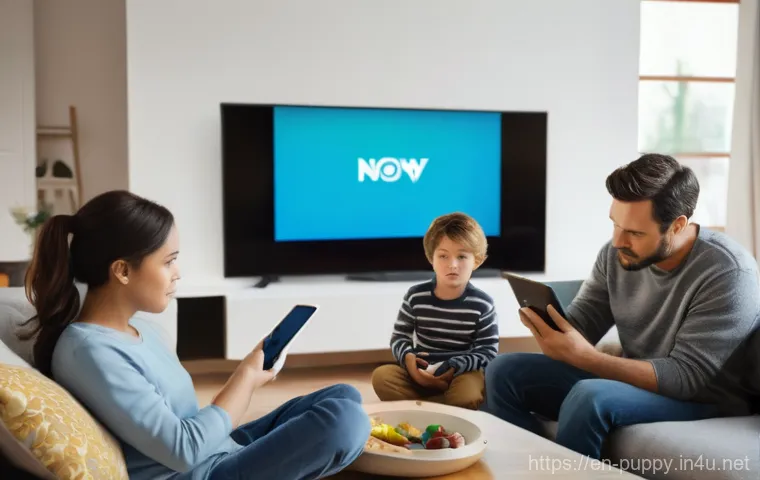
Alright, let’s bring it back to what really matters: us, the parents, and our kids. These high-stakes broadcast rights negotiations directly impact how and where our children can watch their beloved shows. Sometimes it feels like we need a detective’s badge to figure out which streaming service has what, and for how long! One minute, Paw Patrol is on Netflix, the next it’s exclusive to Paramount+, then certain seasons pop up on Hulu. This constant shuffling creates what I call the “Parent’s Dilemma” – do we subscribe to *another* streaming service just for one show, or do we try to navigate the choppy waters of different seasons on different platforms? It can be incredibly frustrating, especially when you have a toddler who absolutely *needs* to watch a specific episode right *now*. I’ve spent countless hours scrolling through apps, muttering to myself about licensing agreements, just trying to find that one elusive episode. It also means that accessibility can become an issue for families who can’t afford multiple subscriptions, potentially leaving some kids out of the loop on popular culture discussions with their friends. These mega-deals, while financially beneficial for the media companies, often add an extra layer of complexity for the everyday family trying to keep their little ones entertained.
Future-Proofing Your Kids’ Favorite Shows
On the flip side, these robust negotiations and the financial health of these franchises actually play a vital role in future-proofing our kids’ favorite shows. The substantial revenue generated from broadcast rights and related merchandise sales is reinvested into creating new seasons, developing spin-offs, and maintaining the high-quality animation and storytelling we’ve come to expect. Without these lucrative deals, the production budgets would dwindle, and the longevity of shows like Paw Patrol would be at risk. So, while it might be a bit of a headache to track where to watch sometimes, it’s also what keeps the creative engine running. It means that Marshall, Chase, Skye, and the rest of the gang can continue to go on new adventures for years to come. It also encourages innovation in children’s programming, as companies are constantly looking for the next big hit to compete in this valuable market. From a long-term perspective, these deals ensure that the content our children love today will continue to be produced and evolve, offering new stories and characters for future generations of eager young viewers. It’s a messy but ultimately necessary process to keep the magic alive.
Forecasting the Future of Children’s Entertainment
The Rise of Creator-Owned Platforms
Looking ahead, I can’t help but wonder how the landscape will continue to evolve. One trend I’m keeping a close eye on is the potential rise of creator-owned or independently distributed platforms. We’re already seeing content creators bypass traditional gatekeepers in other media, and it wouldn’t surprise me if this model started to gain more traction in children’s entertainment. Imagine if the creators of a hugely popular show decided to launch their own streaming app, offering exclusive content directly to their fanbase. This could give them even greater control over their intellectual property and a larger share of the revenue, cutting out the middleman. Of course, the marketing and infrastructure challenges would be immense, but for a brand as powerful as Paw Patrol, it’s not entirely inconceivable. It could lead to a highly niche, direct-to-consumer model where content is even more specialized and tailored. I think this shift would be a fascinating development, potentially offering creators more creative freedom and a closer connection to their audience, but it would also add another layer of complexity to an already fragmented viewing world for us parents.
The Shifting Sands of Content Production
Another major factor shaping the future is the ever-changing nature of content production itself. We’re seeing more shows being produced with global distribution in mind from day one, rather than trying to adapt them later. This means storylines, character designs, and even humor are crafted to have broader international appeal, minimizing the need for extensive localization. We might also see more interactive elements, augmented reality experiences, or even metaverse integrations becoming standard for children’s shows, blurring the lines between passive viewing and active engagement. These technological advancements will undoubtedly influence how broadcast rights are negotiated, as deals will need to encompass not just traditional viewing but also interactive licenses and digital experiences. The battle for children’s attention is fiercer than ever, with video games, educational apps, and social media all competing. So, the future of children’s entertainment isn’t just about where shows are broadcast, but how they’re experienced, and the broadcast rights will have to evolve to cover these new, immersive forms of content. It’s an exciting, if somewhat unpredictable, future we’re hurtling towards.
The Dollar Signs Behind the Pups: A Look at the Economics
Understanding Royalties and Residuals
When we talk about the economics of children’s shows, it’s not just the big upfront licensing fees that matter. There’s a whole intricate system of royalties and residuals that ensures ongoing payments to creators, writers, animators, and even voice actors long after a show first airs. Royalties are typically payments based on the ongoing use or sales of intellectual property, like merchandise or subsequent airings. Residuals, on the other hand, are payments made to creative talent for reruns, streaming, or syndication of their work. These payments are crucial for the livelihoods of the thousands of people who bring these shows to life. For a global hit like Paw Patrol, which is constantly airing somewhere in the world and has a vast array of merchandise, these royalty and residual streams are substantial and continuous. It’s a well-oiled machine that ensures everyone involved in the show’s success benefits over its entire lifespan. I’ve always found it reassuring that the folks pouring their heart and soul into creating these magical worlds are compensated fairly for their enduring work, rather than just a one-off payment. It’s a testament to the long-term value that a successful franchise can generate, extending far beyond its initial broadcast run and into the pockets of the talented individuals who made it possible.
The Long-Term Value of Franchise Building
Ultimately, the broadcast rights for a show like Paw Patrol are about more than just getting episodes onto screens; they are about building and sustaining a global entertainment franchise. The true genius lies in how these rights are leveraged to create a synergistic ecosystem of content. It starts with the show, but then it expands to toys, video games, live touring shows, movies, and even educational apps. Each of these components feeds into the others, reinforcing the brand and deepening its connection with young audiences. The strategic licensing of broadcast rights is the bedrock of this entire operation, ensuring that the core content is widely accessible, which in turn drives demand for all the ancillary products. Think of it like a carefully constructed financial empire built on the foundation of beloved characters. The more exposure the show gets through broadcast and streaming deals, the more recognizable the characters become, and the more valuable the entire franchise grows. This long-term strategic vision is what separates a fleeting children’s show from an enduring cultural phenomenon, and it’s why the negotiations for Paw Patrol’s broadcast rights are always such a high-stakes, all-encompassing affair. It’s not just a show; it’s an institution, and its financial future is meticulously planned, one broadcast deal at a time.
Wrapping Up
Well, friends, what a wild ride it’s been delving into the fascinating, complex world of broadcast rights for children’s shows. It’s truly mind-boggling to see how something as seemingly simple as a cartoon can become the subject of billion-dollar negotiations, all because of the incredible power it holds over our little ones. From securing those precious moments of peace for us parents to fueling global merchandise empires, these deals are far more than just signing on the dotted line. They shape where and how our kids engage with their favorite characters, influencing our family’s viewing habits and streaming subscriptions. It’s a constant game of strategy that ultimately keeps the magic of these beloved franchises alive and kicking for generations to come.
Good to Know Info
Navigating the ever-shifting landscape of children’s entertainment can feel like a full-time job, especially when you’re trying to track down that one specific episode your little one absolutely *must* see. But don’t despair! Over the years, I’ve picked up a few useful tidbits that might just save your sanity (and maybe even a few bucks) when it comes to keeping your family entertained. These aren’t just guesses; they’re based on countless hours of personal experience and observing how these platforms operate, so hopefully, they’ll give you a bit of an edge in this streaming maze.
1. Don’t be afraid to check multiple streaming platforms and even your local library for content. Sometimes older seasons of a show will reside on one service, while newer ones are exclusive to another. Libraries often have physical copies of popular kids’ shows and movies that can be borrowed for free, offering a fantastic alternative to endless subscriptions.
2. Keep an eye out for free viewing windows or promotional offers from streaming services. They often run campaigns where you can access a portion of their library, or even a full trial, which is perfect for catching up on a specific show without committing to a long-term subscription.
3. Utilize parental controls and curated content on platforms like YouTube Kids. While the vastness of YouTube can be daunting, YouTube Kids offers a more controlled environment. Just remember to monitor it, as even curated content can sometimes lead to unexpected places.
4. Consider sharing subscriptions with trusted family or friends, if the service’s terms and conditions allow. Many streaming services offer multiple profiles, making it easy to split the cost and maximize access to a wider range of shows without each household paying full price.
5. Be aware that content rotates on streaming services. Shows often come and go as licensing agreements expire or are renegotiated. If there’s a show your child loves, it’s worth checking its expiration date if the platform provides one, or simply enjoying it while it’s available!
Key Takeaways
Reflecting on everything we’ve discussed, it’s clear that the world of children’s entertainment is a high-stakes arena where beloved characters are king. The intense scramble for broadcast rights isn’t just about fleeting viewership; it’s a strategic battle for long-term subscriber loyalty, merchandise revenue, and the cultural footprint of a global brand. We’ve seen how these intricate licensing agreements dictate accessibility for families, often leading to the “parent’s dilemma” of managing multiple subscriptions. However, these massive deals are also the lifeblood of these franchises, funding new seasons, spin-offs, and innovative content that keeps our kids engaged. The shift towards streaming giants and the potential rise of creator-owned platforms signal an exciting, albeit complex, future. Ultimately, understanding these dynamics helps us, the consumers, make more informed choices while appreciating the incredible financial and creative effort that goes into bringing those cherished characters to our screens, ensuring the magic continues for years to come.
Frequently Asked Questions (FAQ) 📖
Q: How do these big broadcast rights deals for shows like Paw Patrol actually impact my family’s viewing experience?
A: Oh, this is such a common question, and believe me, I’ve lived through the frustration of trying to find a beloved show that suddenly vanished from our go-to platform!
Basically, when a streaming giant or a traditional network snags the broadcast rights, it dictates where you and your little ones can actually watch Ryder and the pups.
One day, it might be exclusively on Netflix, the next, it could jump to Paramount+ or even a specific cable channel. I’ve personally experienced the scramble, frantically searching across multiple apps, only to realize we needed a new subscription or had to wait for it to pop up somewhere else.
These deals are designed to pull you into their ecosystem, keeping you subscribed and engaged with their library. It’s not just about watching the show; it’s about the entire family experience – think about the merchandise, the spin-offs, even theme park attractions that get tied into these massive content deals.
So, while it might seem like a simple change, it actually shifts our viewing habits pretty dramatically, sometimes costing us more or adding extra steps to get to our kids’ favorite content.
It’s a real game of musical chairs for our beloved characters!
Q: Why are broadcast rights for popular kids’ shows, especially one as huge as Paw Patrol, such a massive and complex negotiation?
A: This is where things get really fascinating, and honestly, a bit cutthroat! From what I’ve observed and felt as a parent navigating this landscape, it’s not just about a cartoon; it’s about cultural real estate and cold, hard cash.
Paw Patrol, for instance, isn’t just a show; it’s a global phenomenon, a merchandising powerhouse, and a brand that parents trust. When streaming services or networks negotiate for these rights, they’re not just buying episodes; they’re buying access to millions of eyeballs, brand loyalty, and future revenue streams from toys, games, and even movies.
I mean, who hasn’t bought a Paw Patrol themed something for their kid, right? The stakes are astronomical! For the content creators, it’s about maximizing profit and global reach.
For the distributors, it’s about subscriber acquisition and retention – if you have the exclusive rights to a show that toddlers demand, parents are far more likely to subscribe and stick around.
It’s a high-stakes poker game where billions can ride on which platform gets to host the next rescue mission, and that ripple effect touches everything from stock prices to our monthly entertainment budget.
It’s truly mind-boggling how deeply these deals affect the entertainment world and our homes!
Q: With all these “streaming wars,” what does the future of content distribution look like for children’s programming, and will it get easier or harder for parents?
A: Oh, if I had a crystal ball for this one, I’d be a rich woman! But based on what I’ve personally witnessed and the trends I’m seeing, it’s a bit of a mixed bag for us parents.
On one hand, the intense competition means that content creators are churning out some incredibly high-quality, diverse programming to capture those young audiences – which is fantastic!
We’re seeing more innovative storytelling and fantastic animation across the board. However, the flip side is the increasing fragmentation. I honestly feel like I need a degree in media studies just to keep track of which show is on which platform!
My gut tells me we’re likely heading towards a future where families might have to juggle a few core subscriptions, or perhaps content creators will try to consolidate their own IP onto their own dedicated platforms.
I predict we’ll see more exclusive content deals, and perhaps even some innovative bundles or ad-supported tiers to make things more accessible. My hope is that amidst all this competition, the user experience for parents will eventually become smoother, maybe with better universal search tools.
But for now, I’m bracing myself for a continued, albeit exciting, period of flux, where staying informed about where our kids’ favorite heroes land will be a minor adventure in itself!