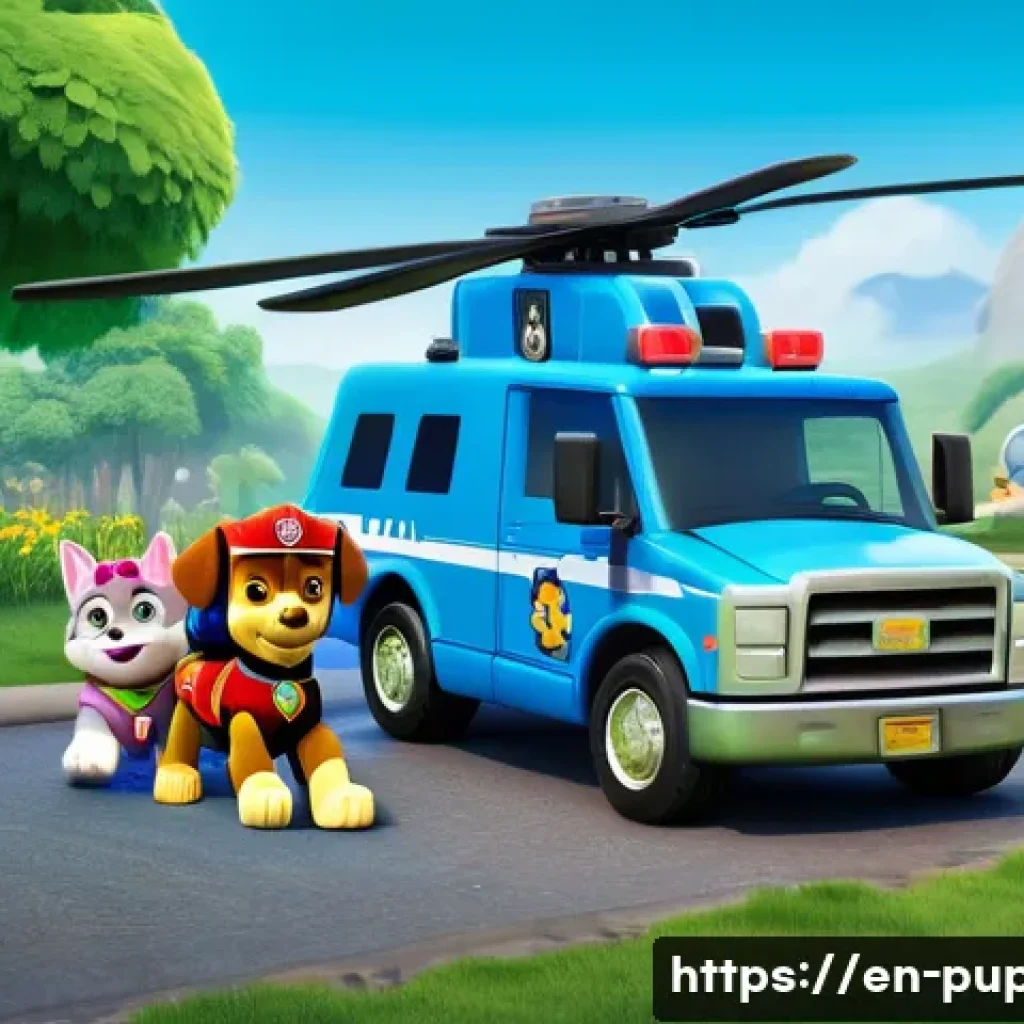
Have you ever stopped to truly consider the incredible staying power of PAW Patrol? It’s more than just a colorful cartoon; for millions of kids (and let’s be honest, parents too!), it’s a consistent source of joy and subtle life lessons.
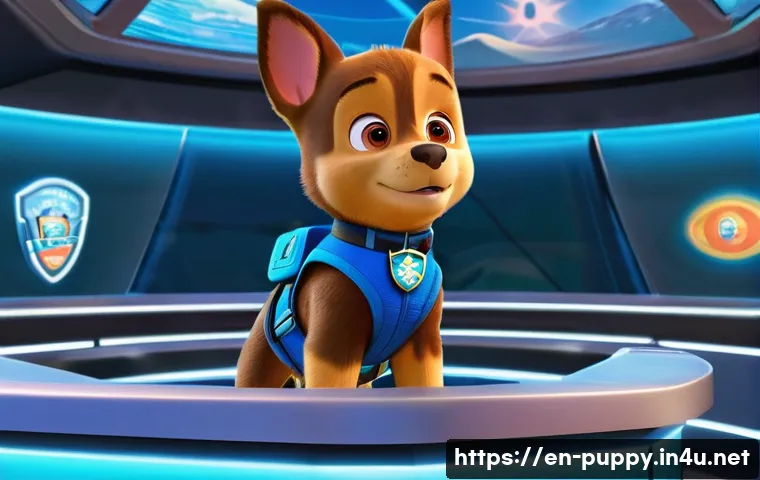
I’ve often found myself marveling at how each episode, despite its familiar structure, manages to captivate little minds, teaching them about teamwork, problem-solving, and kindness without a hint of being preachy.
It’s a masterclass in crafting simple yet profoundly effective narratives that keep children glued to the screen, eagerly anticipating which pup will save the day next, and it truly exemplifies how thoughtful content can both entertain and educate in our busy world.
As someone who spends a lot of time observing what truly resonates with young audiences, and as a parent myself, I’ve really dug into the brilliant strategy behind PAW Patrol’s story development.
It’s not just a lucky formula; it’s a meticulously designed approach that consistently builds suspense, offers clear resolutions, and celebrates collective effort.
In an era where children’s media is constantly evolving, their ability to maintain such high engagement and viewer loyalty is nothing short of remarkable.
Each adventure, from a runaway chicken to a lost kitten, follows a pattern that, while predictable, provides a comforting sense of order and empowers kids to understand how challenges can be overcome with a bit of ingenuity and cooperation.
This carefully honed narrative style keeps kids returning day after day, and honestly, it’s a goldmine for understanding what makes content sticky and genuinely valuable.
If you’ve ever wondered about the secret sauce behind their enduring appeal, and how they manage to keep stories fresh while sticking to a winning formula, you’re in for a treat.
Let’s explore it precisely and uncover the magic together!
It’s truly fascinating, isn’t it? The way PAW Patrol has cemented itself as such a cornerstone in children’s entertainment. As a parent and someone deeply immersed in understanding what makes content truly resonate, I’ve spent countless hours – probably more than I’d like to admit – observing my own kids and others as they get utterly engrossed in the adventures of Ryder and his brave pups.
It’s not just about flashy colors or cute characters, though those certainly play a huge role. There’s a deeper magic at play, a carefully crafted formula that consistently delivers joy, learning, and that all-important sense of security for our little ones.
I’ve noticed firsthand how it teaches them about friendship, responsibility, and overcoming challenges in a way that feels natural and exciting, never forced.
It’s a masterclass in engaging young minds, and honestly, if you’re curious about the secret behind their seemingly endless popularity, you’re in for some eye-opening insights.
Let’s dive into what makes this show a true sensation.
The Comfort in Predictability: A Child’s Safe Haven
Kids thrive on routine, don’t they? And from what I’ve observed, PAW Patrol absolutely nails this. Each episode, with its familiar structure, offers a comforting rhythm that children instinctively connect with.
Think about it: the pups are enjoying themselves, an emergency arises, Ryder gets the call, they gather at the Lookout, he assigns the mission, and then off they go to save the day.
This consistent narrative pattern isn’t just good storytelling; it’s a brilliant psychological anchor for young viewers. My own kids, even after seeing an episode a dozen times, will still anticipate Ryder’s call or cheer when their favorite pup gets chosen.
It’s like a warm, familiar hug every time they watch. This predictability helps children process events, understand cause and effect, and feel a sense of control in a world that can often feel overwhelming.
It reduces cognitive load, allowing them to focus on the emotional and moral lessons rather than trying to figure out what’s going to happen next. It’s truly genius how they provide this secure framework for engagement.
The Power of Routine in Storytelling
What I’ve found is that this routine builds a robust sense of trust. When children know what to expect, they feel safe enough to explore the themes and nuances of the story.
They aren’t constantly on edge wondering if things will go completely off the rails. Instead, they can comfortably immerse themselves in the unfolding drama, knowing that a resolution is always on the horizon.
This narrative consistency, in my experience, is a significant reason why kids will happily rewatch episodes over and over again. It’s not just about entertainment; it’s about reinforcing patterns that aid in their cognitive and language development, helping them understand sequencing and consequences.
Repetition also helps children internalize the positive messages about problem-solving and teamwork, as they hear the same concepts applied in various scenarios.
It’s truly a foundational element of the show’s success.
Building Confidence Through Consistent Resolution
Every single time, the PAW Patrol succeeds. They might face a hiccup or two, and that’s important for teaching resilience, but ultimately, the day is always saved.
This consistent positive reinforcement is incredibly powerful for developing minds. Children see that even big problems can be broken down and solved with teamwork and ingenuity.
I remember watching my daughter, wide-eyed, as the pups figured out a tricky rescue, and then seeing her try to “solve” a problem with her toys later that day.
It empowers them, showing them that “no job is too big, no pup is too small.” This instills a belief in their own capabilities and the power of collective effort, which is a fantastic lesson to carry into real-life challenges.
It builds a sense of mastery and autonomy, crucial for their development.
Meet the Heroes: Why Each Pup Resonates
If you’ve spent any time at all around a PAW Patrol fan, you know they have their favorite pup, right? My son is a total Chase fan, always pretending to be the police dog, while my niece is all about Skye, soaring through the imaginary skies.
This isn’t accidental; the creators have done an incredible job of crafting distinct, relatable personalities for each member of the PAW Patrol. Each pup is more than just a cute face; they embody specific skills and character traits that children can easily identify with and aspire to.
It’s brilliant how they’ve managed to give each dog a unique color, breed, profession, and skill, making them memorable and allowing children to pick their personal hero.
This deep connection to the characters is a huge driver of engagement and loyalty to the show.
Personalities That Pop and Inspire
From Marshall’s clumsy but courageous firefighting spirit to Rocky’s ingenious recycling solutions, there’s a pup for every child to love. These diverse personalities not only add richness to the show but also introduce children to the idea that everyone has unique strengths and that these differences are valuable when working together.
I’ve often seen kids mimic their favorite pup’s catchphrases, like “Rubble on the double!” or “Chase is on the case!”, which really shows how deeply these characters have embedded themselves in their imaginative play.
This emotional attachment to the characters makes the lessons they learn throughout the episodes feel more personal and impactful for young viewers. They’re not just watching a story; they’re connecting with friends who are learning alongside them.
Ryder’s Role: A Young Leader with a Heart
Let’s talk about Ryder for a moment. He’s this ten-year-old boy who leads a team of super-powered pups, and honestly, he’s such a fantastic role model.
He’s calm under pressure, incredibly intelligent, and always emphasizes teamwork and kindness. Ryder isn’t just delegating tasks; he’s teaching, encouraging, and showing genuine care for his pups and the citizens of Adventure Bay.
I personally appreciate how he models clear communication and problem-solving. He explains the situation, assesses the skills needed, and chooses the right pups for the job, demonstrating thoughtful leadership.
Kids, I think, see themselves in Ryder, imagining what it would be like to lead such an amazing team, giving them a sense of empowerment and importance.
He embodies positive leadership qualities that I certainly want my children to learn.
Beyond the Bark: Important Life Lessons for Little Ones
While the bright colors and catchy songs are undeniably engaging, the true genius of PAW Patrol lies in the invaluable life lessons it seamlessly weaves into every adventure.
It’s not preachy or heavy-handed, which, let’s be honest, is a huge win for kids’ content. Instead, through the pups’ actions and Ryder’s guidance, children are consistently exposed to core values that are essential for their social and emotional development.
I often find myself nodding along, thinking, “Yes, that’s exactly what I want my kids to learn!” It’s a fantastic tool for parents, providing relatable scenarios that can spark discussions about important topics long after the episode ends.
Cultivating Teamwork and Cooperation
This is perhaps the most obvious, yet profoundly important, lesson from PAW Patrol. Every mission, without fail, requires the pups to work together, combining their unique skills and vehicles to achieve a common goal.
Marshall might put out a fire, while Skye uses her helicopter to lift something to safety, and Chase directs traffic. It’s a beautiful demonstration of how diverse talents create a stronger team.
As a parent, I love seeing this constantly reinforced. It teaches my children that collaboration isn’t just about getting the job done; it’s about supporting each other, valuing different contributions, and understanding that everyone has a role to play.
This fosters empathy and a sense of collective responsibility, which are crucial for navigating relationships in school and beyond.
Nurturing Problem-Solving Skills and Resilience
I’ve been genuinely impressed by how PAW Patrol presents problems. They’re often complex enough to be interesting but simple enough for young children to follow the logic of the solution.
The pups don’t always get it right on the first try, which is an excellent, subtle lesson in resilience. They reassess, adapt their plan, and try again until they succeed.
This teaches children not to give up when faced with challenges, but to think critically, brainstorm ideas, and persevere. I’ve seen my kids apply this “reassess and try again” mentality to their own puzzles or building blocks, and it just warms my heart.
It’s truly a testament to how the show inspires a proactive approach to difficulties, encouraging them to “figure things out.”
The Sensory Spectacle: How PAW Patrol Captivates
Have you ever just *watched* PAW Patrol with your child, truly observing their reactions? It’s like watching a masterclass in captivating young attention spans.
The show is an absolute feast for the senses, meticulously designed to hold the gaze and imagination of its target audience. From the moment the theme song kicks in, you can feel the energy in the room shift.
My kids immediately perk up, eyes glued to the screen, totally immersed in the vibrant world of Adventure Bay. This isn’t just about entertainment; it’s about stimulating their developing minds with rich, multi-sensory experiences that make the content memorable and engaging.
Vibrant Visuals and Engaging Sounds
The animation is incredibly bright, clean, and dynamic, utilizing a color palette that younger children are naturally drawn to. Psychologists note that younger children are attracted to brighter colors because their eyes are still developing, allowing them to perceive these shades better than fainter ones.
This makes the show visually stimulating and helps them define objects better. Coupled with excellent sound design – from the distinct vehicle sounds to the pups’ individual barks and the upbeat background music – it creates an immersive experience that commands attention.
The auditory elements, including spoken instructions and verbal feedback, also help reinforce concepts and aid in language development. It’s a full package designed to ignite their imaginations.
Catchy Phrases and Musical Moments
“Whenever you’re in trouble, just yelp for help!” Who hasn’t heard that a million times? The show is brimming with memorable catchphrases that are simple, repeatable, and become instant favorites with kids.
These short, punchy phrases aren’t just fun; they aid in language acquisition and memory retention. And then there are the songs! The theme song is an undeniable earworm, but also the incidental music that underscores moments of excitement, tension, and resolution contributes significantly.
These musical elements create an emotional landscape for the story, enhancing the drama and making the experience even more engaging. They stick with kids, creating a familiar and enjoyable auditory experience that keeps them humming and engaged long after the episode is over.
The Parent’s Secret Weapon: More Than Just Entertainment
Let’s be real for a moment. As parents, we’re often juggling a million things, and sometimes, a show that genuinely captures our children’s attention is a lifesaver.
PAW Patrol, for many of us, fits that bill perfectly. Beyond its educational value and engaging storylines, it offers a practical benefit that I, and countless other parents I’ve spoken with, deeply appreciate.
It’s that rare show that can buy you a few precious moments – whether it’s to finish a chore, prepare a meal, or simply take a breather. But it’s more than just a distraction; it often sparks positive behaviors and imaginative play that extend well beyond screen time, making it a valuable ally in the parenting journey.
A Moment of Peace for Grown-Ups
I won’t lie, there have been countless times when I’ve put on PAW Patrol just to get five minutes to myself. And I’m certainly not alone! The show’s consistent appeal means that once it’s on, you know your little one is likely to be settled and engaged, giving you a chance to, say, unload the dishwasher or send a quick email.
This isn’t just about silence; it’s about knowing your child is watching something wholesome and constructive. It’s a moment of calm in what can often be a chaotic household, and for that, many parents, myself included, are incredibly grateful.
It provides a reliable “safe cartoon time” that is genuinely kid-friendly.
Sparking Imaginative Play Offline
One of the most rewarding aspects, in my opinion, is how PAW Patrol inspires imaginative play. After an episode, you’ll often find my children pretending to be Marshall putting out fires or Chase going “on the case” in our living room.
They’ll use their toy vehicles, or even just household items, to recreate rescue missions. This kind of imaginative play is absolutely vital for their development, fostering creativity, problem-solving, and social skills as they negotiate roles and storylines with siblings or friends.
The show provides a rich canvas for them to paint their own adventures, drawing on the themes of teamwork, bravery, and helping others. It’s truly wonderful to see the stories continue to unfold through their own creative minds.
The Global Phenomenon: Why It Travels So Well
It’s no exaggeration to say that PAW Patrol is a global sensation. I’ve traveled and seen kids in different countries just as captivated by Ryder and his pups as children right here at home.
This isn’t a small feat in the competitive world of children’s media. It speaks volumes about the show’s underlying principles and production quality that it resonates so universally.
It’s aired in over 170 countries and translated into more than 35 languages, which is absolutely remarkable when you think about it. This widespread success isn’t just about good marketing; it’s about tapping into fundamental human (and pup!) values that transcend cultural boundaries.
Universal Themes That Transcend Cultures
At its heart, PAW Patrol is about helping others, teamwork, and problem-solving. These are universal themes that resonate with people regardless of their background or location.
The simple, clear narratives about courage, responsibility, and friendship are easily understood and appreciated by children (and parents!) worldwide.
There’s no complex socio-political subtext that might get lost in translation; it’s straightforward heroism and kindness. I think that’s why it connects so powerfully – it taps into the innate desire to do good and to be part of a supportive community.
It shows children that, no matter where they are, they can make a positive difference.
The Franchise Effect: Reinforcing Engagement
The show’s success has, of course, led to an incredible array of merchandise, from toys and books to clothing and live shows. Now, as an influencer, I always look at how this impacts engagement.
This extensive franchise isn’t just about sales; it creates an immersive universe that reinforces the show’s themes and characters. When a child plays with a Chase toy or reads a PAW Patrol book, they’re extending their engagement with the brand, deepening their connection to the stories and characters.
It keeps the magic alive outside of screen time and provides tangible ways for kids to interact with their favorite pups. This multi-platform presence ensures that PAW Patrol remains top-of-mind and continually relevant in children’s lives.
It’s a powerful ecosystem that sustains interest and fosters an even stronger bond with the brand.
| Key Elements of PAW Patrol’s Enduring Appeal | Description of Impact | Benefit to Children & Parents |
|---|---|---|
| Predictable Narrative Structure | Consistent episode format (problem, call, mission, resolution). | Provides comfort, security, aids cognitive processing, reduces anxiety. |
| Relatable & Diverse Characters | Each pup has distinct personality, skills, and vehicle. | Fosters identification, teaches value of diverse strengths, inspires imaginative play. |
| Emphasis on Teamwork & Problem-Solving | Missions require collaboration and critical thinking to overcome challenges. | Instills values of cooperation, resilience, and creative solutions. |
| Vibrant Visuals & Engaging Audio | Bright colors, catchy sounds, memorable catchphrases and music. | Captivates attention, stimulates sensory development, aids language acquisition. |
| Positive Reinforcement & Clear Morals | Stories consistently end with successful resolutions and lessons learned. | Empowers children, builds confidence, reinforces positive social behaviors. |
Ultimately, when you look at all these elements working in harmony, it’s clear why PAW Patrol isn’t just another fleeting children’s show. It’s a meticulously crafted world that understands and caters to the developmental needs and imaginative spirit of young audiences.
As a parent, and as someone who champions valuable content, I truly appreciate the thoughtful approach that has made it such a beloved and enduring part of childhood for so many.
It’s a joyful blend of entertainment and education, truly a winning combination!
Wrapping Up Our Adventure
As we’ve journeyed through the vibrant world of PAW Patrol, it’s truly become clear why this show holds such a special place in the hearts of so many children (and, let’s be honest, quite a few parents!). It’s more than just a colorful cartoon; it’s a masterclass in engaging young minds, fostering crucial developmental skills, and providing that reassuring comfort of predictability. From the moment my kids hear Ryder’s voice, I know they’re not just being entertained, they’re absorbing invaluable lessons about teamwork, problem-solving, and the power of kindness. It’s a fantastic example of children’s media done right, and for that, it certainly gets two paws up from me!
Handy Tips for Parents & Little Explorers
Here are some of my go-to tips inspired by the world of Adventure Bay, perfect for helping your little ones grow and explore!
1. Embrace Imaginative Play: Encourage your children to recreate PAW Patrol missions with their toys or even everyday objects. This boosts creativity and helps them process themes like teamwork and problem-solving in their own unique way. You’ll be amazed at the stories they come up with!
2. Discuss the Lessons: After an episode, take a moment to chat about what the pups learned. Ask questions like, “What did Marshall do to help?” or “How did Chase solve that problem?” This helps reinforce the positive messages and connects them to real-world situations.
3. Create a “Rescue Kit”: Just like the pups have their gear, help your child assemble their own “rescue kit” with safe household items – maybe a small blanket for a “rescue stretcher” or a flashlight for “exploring.” It’s a fun way to empower them and encourage helpfulness.
4. Rotate Activities for Engagement: While routine is great, remember to balance screen time with other activities. After watching PAW Patrol, try outdoor play, reading a book, or a creative art project. This keeps their minds stimulated in diverse ways, just like how each pup has a different skill set!
5. Celebrate Teamwork at Home: Find small ways to highlight teamwork within your family. Whether it’s tidying up together or helping with dinner, draw parallels to the PAW Patrol pups. “Just like Skye and Rubble work together, we can too!” It makes chores feel like a fun mission.
Key Takeaways from Adventure Bay
Reflecting on the phenomenon that is PAW Patrol, several core elements consistently shine through as pillars of its success and educational value. First and foremost, the show brilliantly leverages a predictable narrative structure, creating a secure and comforting viewing experience that fosters cognitive development and emotional security in young children. This consistency allows them to fully absorb the vital lessons embedded within each episode without distraction.
Secondly, the meticulously crafted, diverse personalities of each pup and Ryder provide relatable role models, inspiring identification and imaginative play. Children learn the value of individual strengths and how these contribute to effective teamwork, a crucial life skill. The emotional connection children forge with these characters makes the learning feel personal and impactful, extending their engagement far beyond the screen.
Moreover, PAW Patrol excels at subtly imparting important life lessons, particularly in teamwork, problem-solving, and resilience. It demonstrates how challenges can be overcome through collaboration and persistent effort, empowering children to approach their own difficulties with a proactive mindset. The show’s vibrant visuals and engaging audio further enhance this learning by captivating attention and stimulating sensory development, making complex ideas accessible and memorable for young audiences.
Finally, beyond its direct educational content, PAW Patrol offers a valuable reprieve for parents, sparking creative offline play and fostering positive behaviors. Its global appeal, rooted in universal themes of heroism and kindness, solidifies its position as a truly remarkable piece of children’s entertainment, successfully blending education with pure, joyful engagement for millions of families worldwide.
Frequently Asked Questions (FAQ) 📖
Q: What’s the real secret behind P
A: W Patrol’s incredible, long-lasting appeal to kids? A1: Honestly, I think it boils down to two things: predictability and empowerment. As a parent, I’ve seen countless shows come and go, but PAW Patrol just sticks.
Why? Kids absolutely thrive on routine and knowing what to expect. Every episode has a similar structure – a problem arises, Ryder gets the call, the pups zoom to action, and they always, always save the day.
This isn’t boring for them; it’s comforting. It builds confidence in a predictable world. My own little one will often excitedly tell me, “Oh, Zuma’s going to use his hovercraft now!” even before it happens, and there’s pure joy in that anticipation.
It’s also incredibly empowering. These pups, who aren’t much bigger than the kids watching, are solving huge problems. It teaches them that even small individuals, working together, can make a massive difference.
That feeling of “I can do it, too!” is truly priceless and, let’s be real, it keeps them glued to the screen, which as a content creator, I know is gold for engagement and watch time.
Q: How does P
A: W Patrol manage to teach valuable lessons about teamwork and problem-solving without ever feeling preachy? A2: This is where I think the show is pure genius.
They don’t just tell kids to “work together”; they show it, vividly and repeatedly, in every single rescue. From my own observations, kids learn best through action and example, not lectures.
Each pup has a distinct skill set – Marshall’s a firefighter, Chase is a police dog, Skye flies – and the show consistently highlights how combining these unique talents is the only way to solve the trickiest situations.
It’s not about one hero; it’s about a team effort. When a bridge is out, Rubble digs, Rocky finds materials, and Chase helps direct traffic. They celebrate each other’s contributions.
There’s no heavy-handed moral at the end; the lesson is simply embedded in the successful outcome of the mission. It’s organic, engaging, and so much more effective than any adult trying to explain “cooperation.” As a creator, I’ve learned so much from their approach to making complex ideas digestible and fun for young audiences, keeping their attention spans rapt, which also translates to amazing audience retention!
Q: Even though the basic formula is quite consistent, how do they keep the stories fresh and exciting for kids?
A: This is a question I’ve pondered myself, especially when I see my kids requesting the “same” show again and again. The brilliance lies in the variety within that consistent framework.
While the core structure is always there, the nature of the emergencies changes constantly. One day it’s a whale stuck in a net, the next it’s a runaway chicken, then a meteor landing!
These diverse scenarios allow them to introduce new locations, different characters (even if they’re recurring townspeople), and new challenges that require unique combinations of pup skills.
It’s like a puzzle with familiar pieces, but the picture is always new. Plus, they occasionally introduce special episodes or themed missions that slightly break the mold, like the Mighty Pups or Jungle Rescues, which feel like a big event for the little ones.
It keeps the core comfort intact while adding just enough novelty to prevent boredom. It’s a delicate balance they’ve absolutely mastered, ensuring that even after hundreds of episodes, kids are still excited to see “what new adventure awaits,” which is precisely what keeps those repeat views high and those little eyes glued to the screen.