When you watch a show like PAW Patrol, it’s easy to get lost in the fun and adventure without thinking about the creative minds behind the scenes. But have you ever wondered why each character looks and acts the way they do?

The character designers put a lot of thought into crafting personalities and appearances that connect with kids on a deeper level. Their choices aren’t just random—they’re carefully made to inspire, teach, and entertain.
Understanding these design intentions gives us a fresh appreciation for the show’s impact. Let’s dive in and explore exactly what makes these characters so special!
The Power of Color in Character Appeal
Using Colors to Evoke Emotions
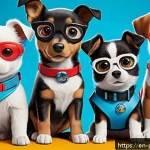
Colors aren’t just chosen for their visual appeal—they play a huge role in how kids emotionally connect with each character. For example, bright reds and oranges often symbolize energy and excitement, perfect for adventurous pups who are always ready to spring into action.
Softer blues and greens can give off calm, trustworthy vibes, making those characters feel like reliable friends. When I first noticed this pattern, it totally changed how I viewed the show.
It’s like each hue was whispering personality traits and feelings before a single word was spoken. This subtle use of color helps kids quickly understand who’s the brave leader, who’s the gentle helper, and so on, without needing complicated explanations.
Color Contrast and Visibility
Another clever trick is how designers use contrasting colors to make each pup stand out clearly on screen. For younger viewers, who might be overwhelmed by fast-moving scenes, this contrast helps them easily identify their favorite characters.
I remember watching episodes where the background was a jungle green or a cityscape gray, yet the pups popped right out thanks to their vibrant coats and accessories.
This isn’t accidental—designers know that clear visibility keeps kids engaged and reduces frustration. It’s a smart balance between aesthetics and functionality, ensuring the show remains visually fun without confusing little eyes.
Color and Character Evolution Over Time
Interestingly, some characters evolve in color schemes as the series progresses, subtly reflecting their growth or new roles. For example, a pup might gain new gear with different colors to symbolize skills they’ve developed or responsibilities they’ve taken on.
I’ve seen this firsthand and it adds a fresh layer of storytelling without interrupting the flow. Kids may not consciously notice it, but subconsciously it signals development and keeps the characters dynamic.
This thoughtful use of color evolution makes the show feel alive and helps maintain long-term interest.
Designing Personalities Through Physical Features
Expressive Eyes and Facial Expressions
One of the first things that grab your attention about the pups is their eyes—they’re huge, round, and incredibly expressive. The designers clearly understand that eyes are windows to personality, especially for kids who are just learning to interpret emotions.
For instance, a pup with wide, sparkling eyes and raised eyebrows looks excited and curious, inviting viewers to join the adventure. Meanwhile, a pup with narrowed eyes and a determined gaze conveys focus and confidence.
When I watched the show with my niece, I noticed how she instantly “read” the pups’ feelings just by looking at their faces, proving how powerful these subtle design choices are.
Body Language and Movement Styles
Beyond static features, the way each pup moves and holds itself also reflects their traits. Some characters bounce around energetically with quick, playful jumps, while others move with a steady, deliberate pace suggesting calmness or caution.
I found this particularly fascinating because it’s almost like watching a silent movie where every gesture tells a story. For kids, these body language cues reinforce the verbal messages and help solidify the characters’ identities in a natural way.
The designers have nailed this balance between animation style and personality, making every movement meaningful.
Iconic Accessories That Define Roles
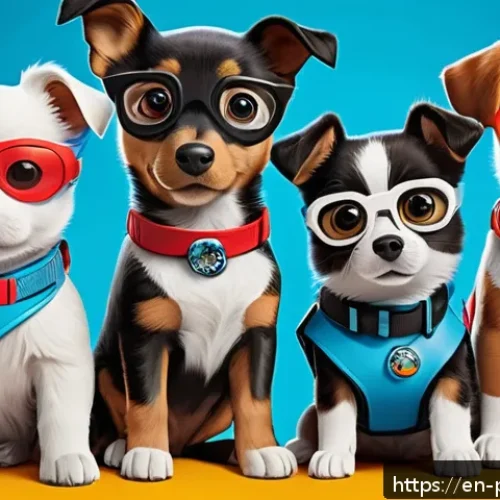
Accessories aren’t just cute add-ons—they’re essential storytelling tools. From helmets and backpacks to badges and collars, each item signals what the pup specializes in.
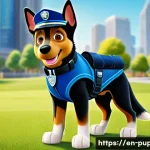
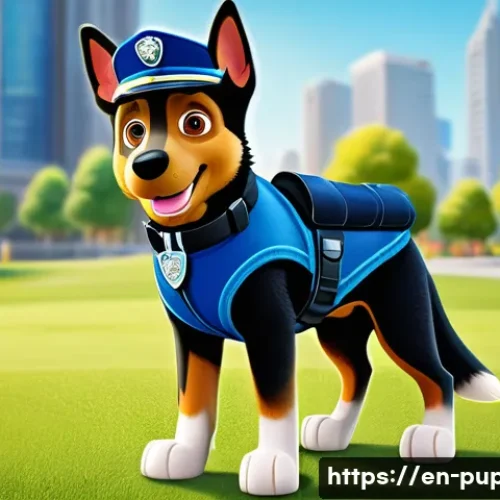
For example, a pup with a firefighter’s helmet instantly conveys bravery and readiness to help, while one sporting a police badge suggests responsibility and leadership.
I’ve noticed that these accessories also help kids identify roles and learn about teamwork. They’re like visual badges of honor that the pups wear proudly, reinforcing the idea that everyone has a unique and important job to do.
Creating Relatable and Inspirational Characters
Balancing Flaws with Strengths
One of the reasons the characters feel so relatable is because they aren’t perfect. Each pup has quirks or challenges that make them more human-like despite being animated dogs.
For example, one might be overly enthusiastic but sometimes clumsy, while another is cautious but fiercely loyal. I really appreciate this because it teaches kids that it’s okay to have imperfections—they don’t diminish your value or your ability to contribute.
This balance creates characters who inspire perseverance and kindness, rather than unrealistic perfection.
Encouraging Problem-Solving and Teamwork
The designers intentionally craft personalities that complement each other, promoting the value of teamwork. Every pup’s unique skill set is highlighted in a way that shows how problems get solved better together.
When watching, I noticed how the show subtly models communication and collaboration, with characters listening, encouraging, and learning from one another.
It’s like a mini-masterclass in social skills wrapped in fun adventures. This approach resonates deeply with kids, helping them understand that their strengths matter but working with others makes them even stronger.
Role Models for Empathy and Courage
Beyond fun and excitement, these characters serve as role models who embody empathy, courage, and responsibility. The designers embed these values in both the personalities and storylines—whether it’s a pup comforting a friend or facing a scary challenge head-on.
From my perspective, this intentional moral foundation is what sets the show apart from many others. It’s not just about entertainment but nurturing emotional intelligence and bravery in young viewers, which parents and educators truly appreciate.
Visual Storytelling Through Costume and Gear
Functional Design That Reflects Personality
Each pup’s costume isn’t just for show—it’s thoughtfully designed to match their personality and job function. For instance, a tech-savvy pup sports gadgets and sleek gear that hint at intelligence and problem-solving skills.
Another might have rugged boots and a tough vest, signaling physical strength and readiness for rescue missions. I found this really clever because even if kids don’t understand every detail, the overall look helps reinforce what each character brings to the team.
It’s a subtle way to build character depth visually.
Symbolism Embedded in Badges and Logos
The badges and logos on each pup’s outfit carry deeper meanings too. They’re often inspired by real-world symbols of service and safety, which adds a layer of authenticity.

For example, a shield-shaped badge might symbolize protection, while paw prints emphasize teamwork and loyalty. When I noticed this, it made me respect the attention to detail even more.
These symbols quietly teach kids about values like courage and community service, making the characters feel like genuine heroes.
Practicality Meets Playfulness in Design
While the gear is functional, it’s also designed to be playful and approachable. The colors are bright, and the shapes are rounded and soft, avoiding anything that looks intimidating.
This balance makes the characters feel safe and friendly, which is important for preschool audiences. Watching the show, I often caught myself smiling at how the designers managed to make rescue gear look like fun accessories.
It’s a delicate design dance that keeps kids excited while maintaining a reassuring tone.
Character Dynamics and Group Chemistry
Distinct Roles That Complement Each Other
The group dynamics are a big part of the show’s charm, and the character designs reflect this by clearly differentiating roles. Each pup has a unique specialty—whether it’s firefighting, police work, construction, or aviation—and their appearances support these roles.
This clear division helps children easily understand who does what and why. When I watched with my younger cousin, she quickly learned to associate each pup with a specific job, which sparked conversations about teamwork and community helpers.
The design choices really make these lessons stick.
Visual Clues to Social Hierarchy and Friendship
Designers also use subtle visual cues to hint at social relationships within the group. For example, the leader pup often wears a slightly more elaborate uniform or stands taller in group shots, signaling authority.
Meanwhile, sidekick characters might have softer colors or smaller gear, indicating their supportive roles. I found these cues fascinating because they help kids understand social structures without complicated explanations.
It’s a clever way to introduce concepts like leadership and friendship dynamics naturally.
Dynamic Interactions Through Animation Style
The way the characters interact visually during scenes also reinforces their chemistry. Designers and animators use body positioning, eye contact, and synchronized movements to show cooperation and camaraderie.
I noticed how moments where pups cheer each other on or work in perfect sync feel especially heartwarming, thanks to these animation details. This dynamic visual storytelling enhances the emotional impact and keeps viewers emotionally invested in the team’s success.
Character Growth Mirroring Real-Life Learning
Progressive Skill Development
Throughout the series, characters often learn new skills or overcome fears, and the designs subtly reflect these changes. For example, a pup might gain new equipment or stand taller to symbolize growing confidence.
Watching these transformations felt genuinely inspiring to me because they mirror the real learning journeys kids experience. This thoughtful design progression encourages young viewers to embrace challenges and celebrate growth, reinforcing positive developmental messages.
Reflecting Emotional Maturity Visually
As characters mature emotionally, their expressions and posture evolve too. Designers tweak subtle details like softer eyes or more relaxed body language to show increased empathy or calmness.
I found this especially touching because it shows that growth isn’t just about external achievements but internal changes too. This nuanced visual storytelling teaches kids that emotional maturity is just as important as physical skills.
Encouraging Self-Confidence Through Design
The evolving character designs also serve as a confidence boost for kids watching. When a pup conquers a challenge and their appearance shifts to reflect that victory, it sends a powerful message: growth is visible and worth celebrating.
From my experience, these visual cues make the lessons stick better and inspire kids to believe in their own potential, making the show more than just entertainment—it becomes a subtle life coach.
Summary of Key Design Elements and Their Impact
| Design Element | Purpose | Impact on Young Viewers |
|---|---|---|
| Color Palette | Evokes emotions and enhances visibility | Helps kids quickly identify characters and feel connected emotionally |
| Expressive Features | Communicates personality and feelings | Enables children to read emotions and relate to characters |
| Costumes and Accessories | Defines roles and symbolizes skills | Teaches kids about teamwork and individual strengths |
| Body Language | Reinforces traits and social dynamics | Models social skills and character interactions |
| Character Evolution | Reflects growth and learning | Inspires confidence and perseverance in viewers |
글을 마치며
The thoughtful use of color, design, and character development brings these animated pups to life in a way that truly resonates with young viewers. Each detail not only entertains but also teaches valuable lessons about teamwork, empathy, and growth. Experiencing this blend of creativity and purpose has deepened my appreciation for how powerful visual storytelling can be in shaping kids’ understanding of the world around them.
알아두면 쓸모 있는 정보
1. Colors influence emotions and help children instantly connect with each character’s personality, making stories more engaging.
2. Clear contrast in design boosts character visibility, which is crucial for maintaining young viewers’ attention during fast-paced scenes.
3. Expressive eyes and body language are key tools for conveying feelings, allowing kids to read emotions even without words.
4. Accessories and costumes do more than decorate—they visually communicate each character’s role and strengths, reinforcing teamwork.
5. Character growth shown through visual changes encourages children to embrace learning and celebrate their own progress.
중요 사항 정리
Effective character design blends color, facial expressions, and body language to create relatable, memorable personalities that children can easily understand and connect with. Visual elements like costumes and accessories serve as storytelling tools that highlight individual roles and teamwork. Moreover, evolving designs mirror emotional and skill development, inspiring young viewers to grow confidently. These strategies together ensure that animated characters not only entertain but also support positive social and emotional learning.
Frequently Asked Questions (FAQ) 📖
Q: Why do the characters in P
A: W Patrol have such distinct looks and personalities? A1: Each character in PAW Patrol is designed with a unique appearance and personality to help kids easily identify and connect with them.
Designers carefully choose traits that reflect different qualities like bravery, kindness, or problem-solving skills. These choices aren’t random; they’re meant to teach valuable lessons and inspire children by showing diverse strengths and teamwork in action.
Q: How do character designs in P
A: W Patrol influence children’s learning and development? A2: The designs go beyond just looking cute—they’re crafted to encourage empathy, cooperation, and positive behavior.
For example, a character’s color, outfit, and expressions often signal their role or personality, helping kids understand emotions and social cues. Watching how characters solve problems together can boost a child’s critical thinking and social skills in a fun, engaging way.
Q: What makes P
A: W Patrol’s characters so memorable compared to other kids’ shows? A3: What really sets PAW Patrol apart is the thoughtful blend of relatable traits and exciting adventures.
The characters are easy to remember because they each have clear, consistent personalities paired with distinct visual styles. Plus, the show balances entertainment with meaningful messages, making kids not just entertained but also inspired to be helpful and courageous in their own lives.