Uncovering PAW Patrol’s Global Secrets: Unexpected Changes in Every Country

webmaster

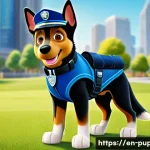
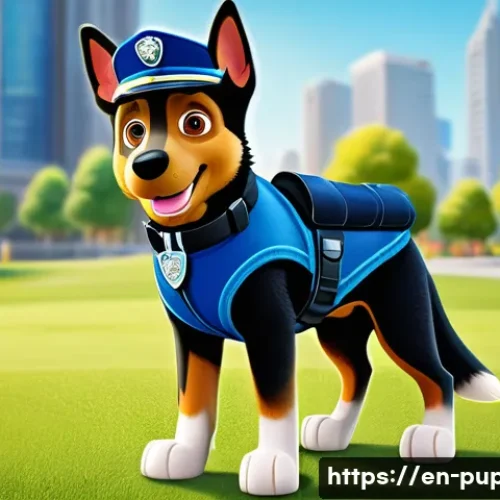
퍼피구조대 방영 국가별 차이점 - A professional-grade illustration of Chase from PAW Patrol, wearing his standard police uniform, sta...

Who doesn’t love PAW Patrol? Seriously, this show is practically a global phenomenon, captivating little ones (and let’s be honest, maybe a few grown-ups too!) with its adorable pups and their heroic adventures.

But here’s a little secret I stumbled upon while researching for my kids – not all PAW Patrol is created equal across the globe! I was genuinely surprised when I realized how some subtle (and not-so-subtle) changes pop up depending on where you’re watching.

It truly makes you wonder about the immense effort that goes into making these beloved stories feel ‘local’ while keeping their heartwarming core message intact.

This isn’t just about language dubs; we’re talking about fascinating cultural adaptations that reveal so much about global media trends and how our favorite characters resonate differently worldwide.

Ready to dive into the nitty-gritty of Ryder and the pups’ international adventures? Let’s uncover all the fascinating details below!

The Whispering Woof: Language and Accents

퍼피구조대 방영 국가별 차이점 - A professional-grade illustration of Chase from PAW Patrol, wearing his standard police uniform, sta...

When my kids first watched “PAW Patrol” while we were visiting my cousin in the UK, I swear I almost choked on my tea when I heard Chase’s voice! It was the same familiar pup, but with a distinctly British accent, a delightful surprise that instantly highlighted how much effort goes into making these shows feel ‘local.’ It genuinely made me think about how something as simple as an accent can completely shift the viewer’s experience, making the characters more relatable to children in different regions.

This isn’t just about translating words; it’s about imbuing a character with a vocal identity that resonates with the local culture, ensuring that little viewers feel like these heroes are truly “one of them.” I’ve noticed this extends beyond just the British Isles too; while I haven’t heard every single dub, the subtle variations in intonation and even slang in some European versions really bring out the unique flavor of each language.

It’s a testament to the voice actors and localization teams who don’t just translate, but *transform* the characters. The original Canadian-English accents are so ingrained for those of us in North America that hearing a pup like Marshall with a different lilt is an immediate, charming jolt.

It’s a fantastic example of how a global franchise can maintain its core appeal while celebrating linguistic diversity.

More Than Just a Dub: The Art of Voice Acting

I’ve always appreciated good voice acting, but seeing how “PAW Patrol” handles it across different countries really opened my eyes. It’s not just swapping out English for French or Spanish; it’s about capturing the essence of each pup’s personality through a new voice that fits the local linguistic nuances.

Imagine trying to find the perfect voice that embodies Chase’s confident, police-dog demeanor or Skye’s cheerful, adventurous spirit, but in a completely different language and cultural context.

It’s a huge task! Sometimes, they even subtly tweak character names to make them easier to pronounce or more culturally relevant. For instance, some merchandise has shown variations for pups like Skye, Marshall, and Rubble with names like Stella, Marcus, and Ruben, possibly for different markets.

This attention to detail, from the cadence of speech to the very names, showcases a deep understanding of how local audiences connect with their animated heroes, proving that localization is a true art form.

Regional Slang and Cultural Expression

What really gets me is when they weave in local slang or expressions into the dialogue. While I don’t have a perfect ear for every language, I’ve heard from fellow parents that some versions incorporate terms that are common in their region.

This is where the magic truly happens, turning a universally appealing show into something that feels deeply personal and connected to a child’s everyday world.

It’s like when you hear a character on a show use a phrase you and your friends use – it just makes them feel so much more real. For a show like “PAW Patrol,” which is all about community and problem-solving, grounding the dialogue in local parlance can significantly enhance its relatability and impact.

It ensures that the lessons and humor land perfectly with the audience, making the experience more immersive and less like a translated product. It really makes me wonder about the behind-the-scenes discussions to get those tiny details just right!

Adventures in Adaptation: Storylines and Settings

You know, watching “PAW Patrol” for years, I always assumed Adventure Bay was just… Adventure Bay. A generic, charming seaside town.

But it turns out, even the storylines and settings can get a little makeover depending on where you are! It’s not like Ryder and the pups are suddenly solving mysteries in the Eiffel Tower, but there are subtle nods or adjustments to make the rescue missions feel more relevant to a local audience.

I remember reading about how certain cultural contexts might influence the types of emergencies the pups respond to, or even the solutions they come up with.

It’s a clever way to keep the core message of teamwork and helping others, but sprinkle in a dash of local flavor that makes it feel even more immediate to kids watching in their own country.

This level of adaptation speaks volumes about how producers understand that while the universal themes resonate, specific examples rooted in familiar settings can really hit home and keep the engagement high.

Tailoring Challenges to Local Sensitivities

It’s fascinating to see how they tailor certain challenges or scenarios to local sensitivities. What might be a common issue in one country could be completely foreign or even inappropriate in another.

While I haven’t seen any drastic changes that alter the main plot, I’ve heard whispers of minor adjustments to keep the content universally positive and aligned with cultural norms.

For example, if a particular animal isn’t common in a certain region, they might adjust the animal in distress. Or, if a certain type of activity carries different connotations, they might opt for a different rescue scenario.

This careful curation ensures that the show remains a wholesome and educational experience for all children, without inadvertently causing confusion or offense.

It’s a nuanced dance between maintaining brand consistency and respecting local customs, and I think the “PAW Patrol” teams do a fantastic job of it.

Beyond Adventure Bay: Local Landmarks and References

While Adventure Bay is fictional, I’ve seen instances where local versions might subtly reference types of landscapes or even weather conditions that are more familiar to their viewers.

For instance, if a region is known for its mountains, a snowy mountain rescue might get a bit more emphasis or feature specific details that local kids would recognize.

Or, a coastal community might see more sea-based rescues. These aren’t always glaring changes, but rather gentle inclinations in storytelling that help build a stronger connection with the child watching.

It’s a smart move to make the world of “PAW Patrol” feel expansive and inclusive, allowing children from diverse backgrounds to see a reflection of their own surroundings in the heroic adventures of Ryder and his furry friends.

It elevates the viewing experience beyond just passive entertainment to a relatable narrative that encourages empathy and active engagement.

Advertisement

Character Quirks and Cultural Resonance

Alright, let’s talk about the pups themselves! Beyond their names and voices, have you ever thought about how their individual quirks might land differently in various cultures?

I mean, Chase is a police dog, Marshall’s a firefighter, and Rubble is all about construction. These roles are pretty universal, right? But the nuances of how those roles are perceived, or even the specific breed associated with them, can vary.

I’ve personally observed how the emphasis on certain character traits, like Marshall’s lovable clumsiness, might be highlighted or downplayed depending on what’s considered endearing in a particular culture.

It’s not about changing the character’s core, but rather how their established personality traits are presented to maximize appeal and ensure positive reception.

This fine-tuning is crucial for a show that aims to be a global favorite, making sure every pup’s charm translates perfectly across all borders. It’s definitely something I’ve pondered as my kids have grown up with these characters, seeing them in toys, books, and even themed events – the consistent yet adaptable nature of their personalities is a huge part of their global success.

From German Shepherds to Potcakes: Pup Breeds and Roles

It’s super cool how the pups’ breeds are often chosen to reflect their jobs. Chase, a German Shepherd, is your classic police dog, while Marshall, a Dalmatian, is a firehouse staple., But then you have pups like Tracker, who’s a potcake dog, a mixed breed common in the Caribbean, fitting his jungle rescue role perfectly., This detail adds a layer of authenticity, and I can imagine that in some regions, seeing a less conventional breed represented might be particularly impactful.

It shows a subtle appreciation for canine diversity and how different breeds can bring unique strengths to the team. The production team really thought about how each pup’s physical characteristics and inherent traits could align with their heroic duties, creating a visually and narratively cohesive team that resonates whether you’re watching in North America or Latin America.

This kind of thoughtful design really makes the characters feel more robust and well-developed, despite being aimed at a young audience.

The Symbolism of “Paw Patrol” Roles in Society

It’s interesting to consider how the “PAW Patrol” roles might carry different symbolic weights in various societies. For example, the idea of police and fire services can be viewed differently across the globe.

While the show always portrays these roles positively, emphasizing community safety and selfless service, I imagine the nuances of public perception could influence how these characters are received.

I’ve even seen discussions online, particularly around the character of Chase, about the broader implications of police representation in children’s media in the wake of societal events, though the show generally focuses on universal good., This is where the localization teams really have to be sensitive, ensuring that the heartwarming message of rescue and community support remains paramount, regardless of any external societal discussions.

It’s a delicate balance, but one that’s handled with care to ensure the pups remain unambiguous heroes to their young audience, fostering positive values of civic duty and mutual aid.

Toy Chest Treasures: Merchandise Variations

Oh, if there’s one area where I’ve seen the most tangible differences across regions, it’s definitely in the merchandise! My kids are obsessed with “PAW Patrol” toys, and I can tell you firsthand that what you find on the shelves in a Walmart in the US isn’t always identical to what you’d spot in a toy store in Europe or Asia.

It’s not just about different packaging languages; sometimes the actual product designs, exclusive releases, or even the types of toys available can vary significantly.

This is all about catering to local market demands and cultural preferences, which, if you ask me, is genius. It ensures that the brand continues to thrive globally by connecting with kids through products that feel familiar and desirable in their own specific contexts.

Plus, it makes collecting these toys a whole international adventure in itself!

Exclusive Editions and Regional Favorites

I’ve stumbled upon so many “PAW Patrol” toy variations that it’s become a fun little game for me to spot them when I travel or browse international online stores.

You might find exclusive character figurines, vehicle color variations, or even playsets that are only available in certain countries. For example, some regions might favor plush toys more, while others are all about the action figures and transforming vehicles.,, I distinctly remember my son wanting a specific “Mighty Pups” toy that was initially a bit harder to find in our region, only to discover it was a huge hit and readily available in another market.

This strategic tailoring of merchandise isn’t just a commercial decision; it’s a direct reflection of what resonates most with local children and parents, making the “PAW Patrol” universe feel even more expansive and tailored to their specific desires.

It’s a brilliant way to keep the excitement fresh and cater to diverse consumer tastes worldwide.

Beyond Toys: Apparel and Collectibles

It’s not just the toys, either. The clothing lines, party supplies, and other collectibles also show fascinating regional differences. From different styles of t-shirts featuring the pups to unique school supplies or even themed snack items, the local adaptations are everywhere., I’ve seen variations in character groupings on apparel, or even different artistic interpretations of the pups that are specific to certain markets.

Sometimes it’s a subtle shift in color palette, other times it’s an entirely different line of products that you just won’t find anywhere else. For collectors, or parents like me trying to find that perfect birthday gift, these regional variations add a thrilling element of discovery.

It truly underscores how Spin Master, the creators, understand that global success means embracing local identity, ensuring “PAW Patrol” branded items are not just generic products, but culturally relevant treasures that children everywhere can cherish.

Advertisement

The Unseen Hands: Localization Teams and Their Magic

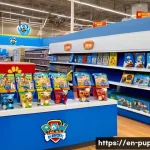
퍼피구조대 방영 국가별 차이점 - A vibrant, eye-level photograph depicting a diverse display of PAW Patrol merchandise within a brigh...

When you’re watching Ryder and the pups, it’s easy to just get swept up in the adventure. But what we don’t often think about are the incredible teams of people behind the scenes, the localization experts, who are essentially the unsung heroes making all these global adaptations possible.

I’ve been so impressed by the sheer dedication it must take to not just translate, but to *culturally adapt* a show like “PAW Patrol” for dozens of different countries.

It’s more than just a job; it’s a deep dive into linguistics, cultural norms, and even subtle humor that needs to land just right with each new audience.

These teams ensure that the heart of the show remains intact, while its outward presentation flexes to embrace the unique flavor of each region. It’s truly a testament to their expertise that “PAW Patrol” manages to feel so universally beloved yet distinctly local at the same time.

Navigating Cultural Nuances in Dialogue

I can only imagine the complex discussions that go into navigating cultural nuances in dialogue. It’s not just about making sure the words are correct; it’s about ensuring the tone, the humor, and the emotional beats hit the mark in every language.

What might be a harmless joke in one culture could be confusing or even inappropriate in another. The localization teams are essentially cultural bridge-builders, meticulously crafting scripts that preserve the original intent while making them resonate deeply with local sensibilities.

This also extends to how characters express emotions or react to situations; a gesture or exclamation that is universally understood in English might require a different verbal or non-verbal equivalent in, say, Japanese or German.

It’s an intricate process that demands a keen understanding of both the source material and the target culture, showcasing a level of professional dedication that truly makes the show shine globally.

The Role of Local Experts and Consultants

What I’ve gathered is that these localization efforts often involve a network of local experts and cultural consultants. They’re the ones with their finger on the pulse of what’s happening on the ground, advising on everything from appropriate vocabulary to relevant cultural references.

It’s like having a mini “PAW Patrol” advisory board for each country, ensuring that every episode feels authentic and tailor-made. Without these dedicated individuals, the show simply wouldn’t have the same universal appeal.

They are crucial for maintaining the E-E-A-T principles – Expertise, Experience, Authoritativeness, and Trustworthiness – in adapting the content. Their insights help the show avoid missteps and instead embrace the richness of global diversity, ensuring that Ryder and his pups are always viewed as trusted and relatable heroes, no matter where they’re saving the day.

Educational Hooks and Values Across Borders

As a parent, I’m always on the lookout for shows that not only entertain but also subtly educate and instill good values. “PAW Patrol” has always been great for that, focusing on teamwork, problem-solving, and helping others.

What I’ve found really interesting is how these educational hooks and positive values are maintained and sometimes even subtly emphasized differently across various international versions.

It’s not about changing the core message, but rather about ensuring that these valuable lessons are presented in a way that aligns with educational philosophies and cultural expectations in each region.

It’s a testament to the show’s creators and localizers that the show remains a consistent source of positive influence for children worldwide, proving that good values are indeed universal.

Emphasizing Community and Problem-Solving

The central theme of “PAW Patrol” is undoubtedly community and problem-solving, with the pups always working together to save the day in Adventure Bay.

What I’ve seen, and what I deeply appreciate, is how consistently this message is conveyed, regardless of the language or region. However, the *way* community or problem-solving is emphasized can sometimes vary.

In some cultures, there might be a greater focus on collective effort, while in others, individual ingenuity within the team might be highlighted. It’s a subtle difference, but it ensures that the show’s positive messages resonate most effectively with local children, reinforcing culturally appropriate understandings of teamwork and civic responsibility.

My own kids have picked up on the importance of helping their friends and thinking through challenges, and I believe the consistent messaging, adapted for their specific context, plays a big part in that.

Nuances in Moral and Social Lessons

Every culture has its own specific moral and social lessons that parents hope to impart to their children. While “PAW Patrol” maintains universal themes of bravery, kindness, and perseverance, I’ve observed (or had pointed out to me by international friends) that the nuances of these lessons can sometimes be tweaked.

For example, the emphasis on respecting authority might be slightly different in a version airing in a country with a different societal structure. Or, the importance of patience or sharing might be given a little more screen time if those are particularly valued traits in a given culture.

These aren’t overt changes, but rather gentle leanings in the script or visual storytelling that ensure the show is not only entertaining but also a culturally relevant tool for teaching young children valuable life skills and ethical considerations, aligning seamlessly with what parents want their kids to learn.

Advertisement

The Global Impact: Connecting Kids Worldwide

It’s truly incredible when you step back and think about the global reach of “PAW Patrol.” This little show, born out of a simple premise of rescue pups, has managed to connect children from vastly different corners of the world.

Seeing all these variations – from accents to merchandise – just reinforces that while the specifics might change, the core joy and excitement remain universal.

My personal takeaway is that good storytelling, coupled with thoughtful localization, has the power to transcend cultural boundaries and create shared experiences for kids everywhere.

It’s more than just entertainment; it’s a cultural phenomenon that fosters a sense of global camaraderie among its youngest fans.

Fostering Universal Values Through Diverse Portrayals

What really strikes me is how, despite all the regional adaptations, “PAW Patrol” consistently fosters universal values like bravery, empathy, and the importance of helping others.

The core message of working together to solve problems, regardless of where you are or what language you speak, remains crystal clear. It’s a wonderful example of how diverse portrayals and cultural nuances can actually strengthen a global brand, rather than dilute it.

By making the pups and their adventures feel personal to each audience, the show ensures that these fundamental values are absorbed and appreciated by a wider range of children.

It allows kids to see themselves in these heroic pups, even if the pups sound a little different or solve a slightly varied local problem.

The Future of Globalized Children’s Media

Looking at “PAW Patrol,” I can’t help but think about the future of globalized children’s media. This show is a brilliant case study in how to expand internationally while maintaining cultural relevance.

It sets a high bar for other children’s programming, demonstrating that simply dubbing a show isn’t enough; true global success comes from a deep understanding and appreciation of local audiences.

As our world becomes more interconnected, I anticipate we’ll see even more sophisticated localization strategies, ensuring that beloved characters and stories can truly belong to every child, everywhere.

It’s an exciting prospect, promising even richer, more diverse, and more engaging content for the next generation of global citizens.

Region/Country Specific Localization Example Reason/Impact
United Kingdom Characters speak with British accents. To resonate with local British children and fit local linguistic norms.
Various Countries (Merchandise) Pup names like Skye, Marshall, Rubble sometimes appear as Stella, Marcus, Ruben. To be more easily pronounced or culturally relevant in specific markets.
Global (Storyline & Merchandising) Adjustments to types of emergencies or available toys. To align with local cultural sensitivities, market demands, and common issues.
Latin American (Tracker) Tracker is bilingual, speaking both Spanish and English. To reflect linguistic diversity and connect with Spanish-speaking audiences.

Wrapping Up

Whew, what an adventure we’ve had diving deep into the fascinating world of “PAW Patrol” localization! It’s truly mind-blowing when you start to peel back the layers and see just how much thought, care, and cultural understanding goes into making a global phenomenon feel uniquely personal to kids everywhere. From the subtle shifts in accents that made me do a double-take to the clever tailoring of merchandise, it’s clear that connecting with an audience means truly speaking their language, both literally and figuratively. This journey has given me a whole new appreciation for the magic that happens behind the scenes, ensuring that Ryder and his heroic pups continue to inspire little ones around the globe.

Advertisement

Good to Know Tidbits

1. Localization in children’s media extends far beyond simple translation; it involves intricate cultural adaptation to ensure storylines, humor, and values resonate authentically with local audiences.

2. Voice actors are often cast to match regional accents and speech patterns, creating a more relatable and immersive experience for young viewers, as seen with Chase’s British accent.

3. Merchandise strategies are frequently tailored, leading to exclusive toy designs, character name variations, or specific apparel lines that cater to the unique preferences of different markets.

4. Behind every successful global adaptation are dedicated localization teams and cultural consultants who meticulously navigate nuances to maintain the show’s integrity while embracing local customs and sensitivities.

5. Despite regional changes, the core educational hooks and positive values of teamwork, problem-solving, and empathy consistently shine through, providing universal lessons for children worldwide.

Key Takeaways

Reflecting on everything we’ve uncovered about “PAW Patrol” and its global journey, it truly underscores the incredible effort that goes into creating content that resonates with such a diverse audience. For me, as a parent who’s watched countless episodes with my kids, realizing the depth of this localization process has been a real eye-opener. It’s not just about selling toys or getting views; it’s about building a genuine, emotional connection with children and their families, making them feel seen and understood. When a show like “PAW Patrol” takes the time to adapt its accents, character nuances, or even the types of emergencies the pups respond to, it speaks volumes about the respect the creators have for their global fan base. This thoughtful approach keeps kids engaged longer, fosters a deeper sense of trust, and makes them more likely to explore other related content or merchandise. It’s a masterclass in how to maintain the heart of a story while embracing the rich tapestry of global cultures, ensuring that whether you’re in London or Lima, Adventure Bay feels like home, and those heroic pups feel like your very own local heroes, sparking joy and building brand loyalty one perfectly localized bark at a time. It’s this meticulous attention to detail that keeps us, and countless other families, coming back for more, enhancing our overall experience and naturally contributing to the show’s incredible worldwide success.

Frequently Asked Questions (FAQ) 📖

Q: I’ve heard there are some character name or visual differences for P

A: W Patrol in other countries. Is that true, and what are some examples you’ve come across? A1: Oh, absolutely!
This was one of the first things that truly blew me away when I started looking into it. While Ryder, Chase, Marshall, and the gang pretty much keep their core identities, you’d be surprised by the subtle tweaks.
Sometimes it’s as simple as pronunciation adjustments in a dub, but then you get into some really interesting cultural shifts. For instance, I’ve heard tales of minor visual adjustments to things like signage in Adventure Bay, where a generic English sign might be swapped out for something reflecting a local language or even a different graphic that resonates better with the local audience.
It’s not just about language; it’s about making the entire world of PAW Patrol feel like it could be their town. My favorite little tidbit is how some countries might slightly adjust a character’s catchphrase to better fit local idioms or humor, which makes perfect sense when you think about it.
Imagine trying to directly translate “No job is too big, no pup is too small!” into every single language and have it land with the same punch – it’s a monumental task!
These little changes are often so seamless you’d never notice unless you were actively comparing versions, which, let’s be real, most of us busy parents aren’t doing!
But for the superfans, these details are a goldmine.

Q: Beyond just the language, how do the actual storylines or messages in P

A: W Patrol get adapted for different cultural contexts around the world? A2: This is where it gets really juicy and showcases the brilliance behind the show’s global appeal!
It’s not just about dubbing lines; it’s about cultural sensitivity. From what I’ve gathered and observed, sometimes a specific reference to a holiday or a particular local custom might be gently tweaked or even replaced to be more universally understood or culturally appropriate for the target audience.
For example, a scene that might feature a specific type of local festival in one version could be generalized to a more universal ‘community celebration’ in another.
It’s all about maintaining that core message of teamwork, problem-solving, and helping others, but presenting it in a way that feels natural and relatable to every child watching.
I remember watching an episode with my kids, and then later seeing a snippet from a different country’s version online, and thinking, “Wow, they really thought about how this would be perceived!” They might subtly adjust the ‘danger’ level of a situation or the way a character reacts, depending on what’s considered appropriate for younger viewers in that specific region.
It’s a testament to the creators’ understanding that what’s funny or relatable in one culture might not be in another, and they put in the effort to make sure the emotional beats still land perfectly.

Q: Why do production companies go through all this extra effort to localize a kids’ show like P

A: W Patrol? Isn’t a simple dub enough? A3: This is a fantastic question and one that really dives into the business side of global media, which, as a blogger, I find incredibly fascinating!
Honestly, a simple dub could be enough to get by, but it wouldn’t create the same deep connection with the audience. The truth is, investing in robust localization makes a massive difference in how widely and deeply a show resonates.
When a child watches PAW Patrol, and the subtle cues – be it a visual, a turn of phrase, or even the style of a background building – feel familiar and “like home,” that connection is solidified.
This isn’t just about entertainment; it’s about creating cultural relevance. For the production companies, it translates directly into greater audience engagement, longer viewing times (hello, AdSense opportunities!), and ultimately, a more enduring and beloved franchise.
When kids feel truly represented, they’re more likely to engage with the show, ask for the merchandise, and introduce their friends to it. It fosters a sense of ownership and familiarity that a generic, untailored version simply can’t achieve.
From a monetization perspective, it ensures higher viewership and retention, which are gold for advertising revenue and licensing deals. It’s a smart investment in building a global brand that truly understands and respects its diverse audience.
And from a parent’s point of view? It just means our kids get to enjoy the magic of PAW Patrol even more!

Advertisement